Claire
Wessels

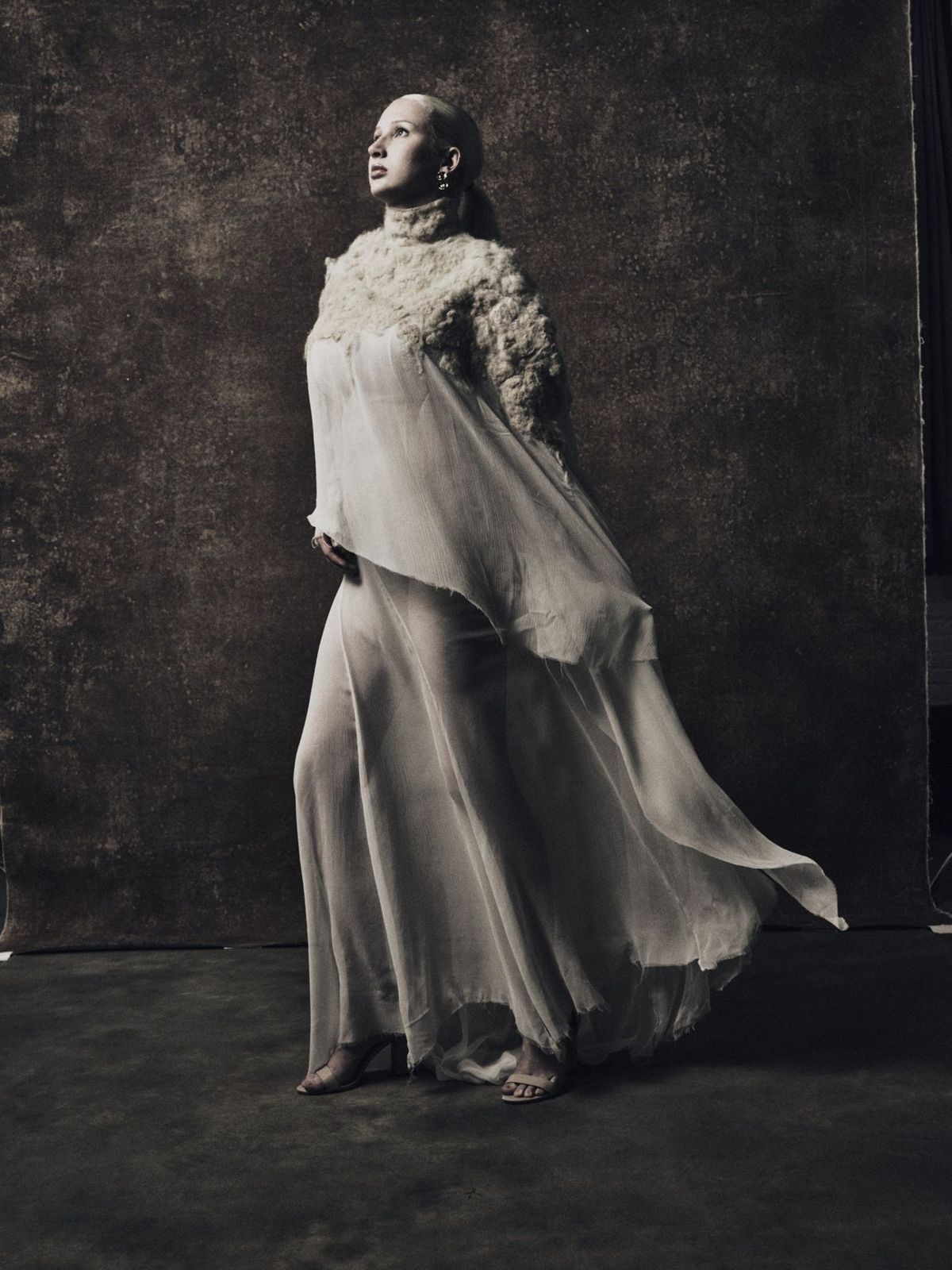
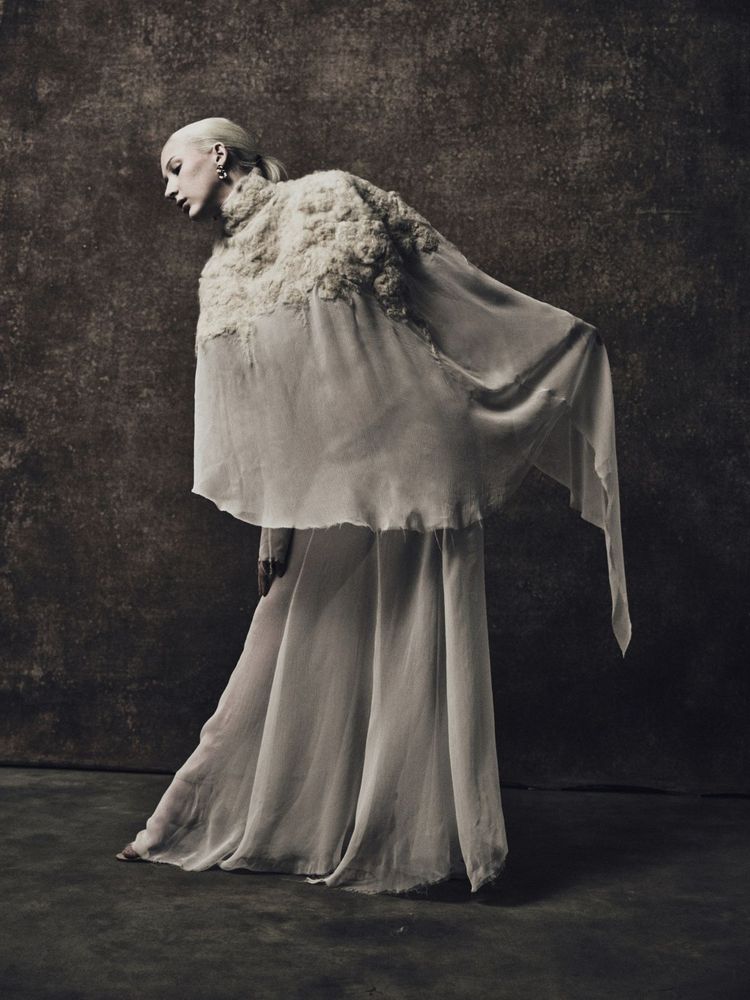
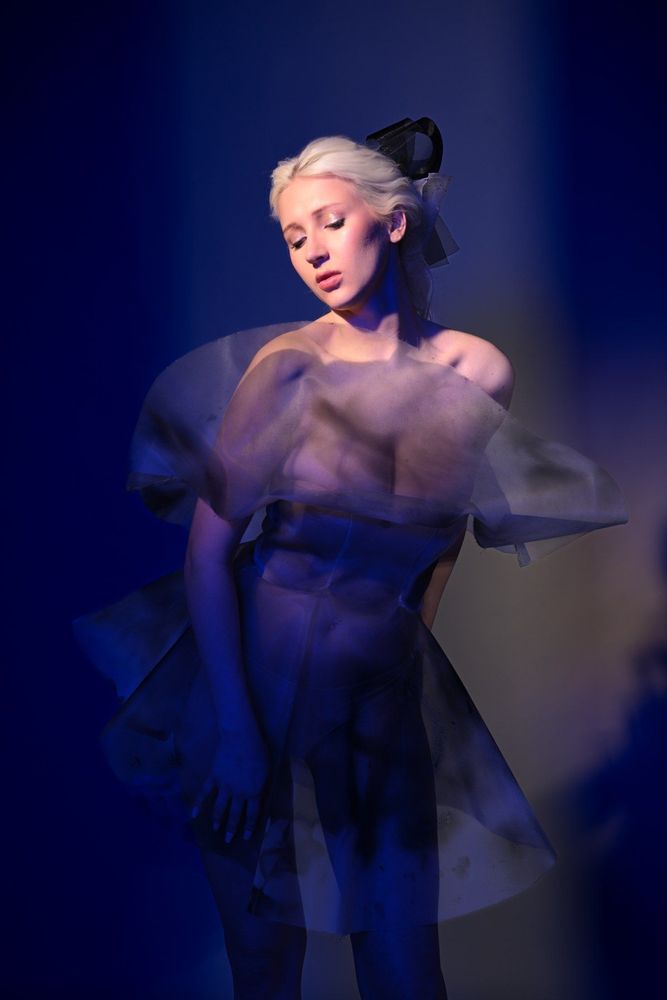
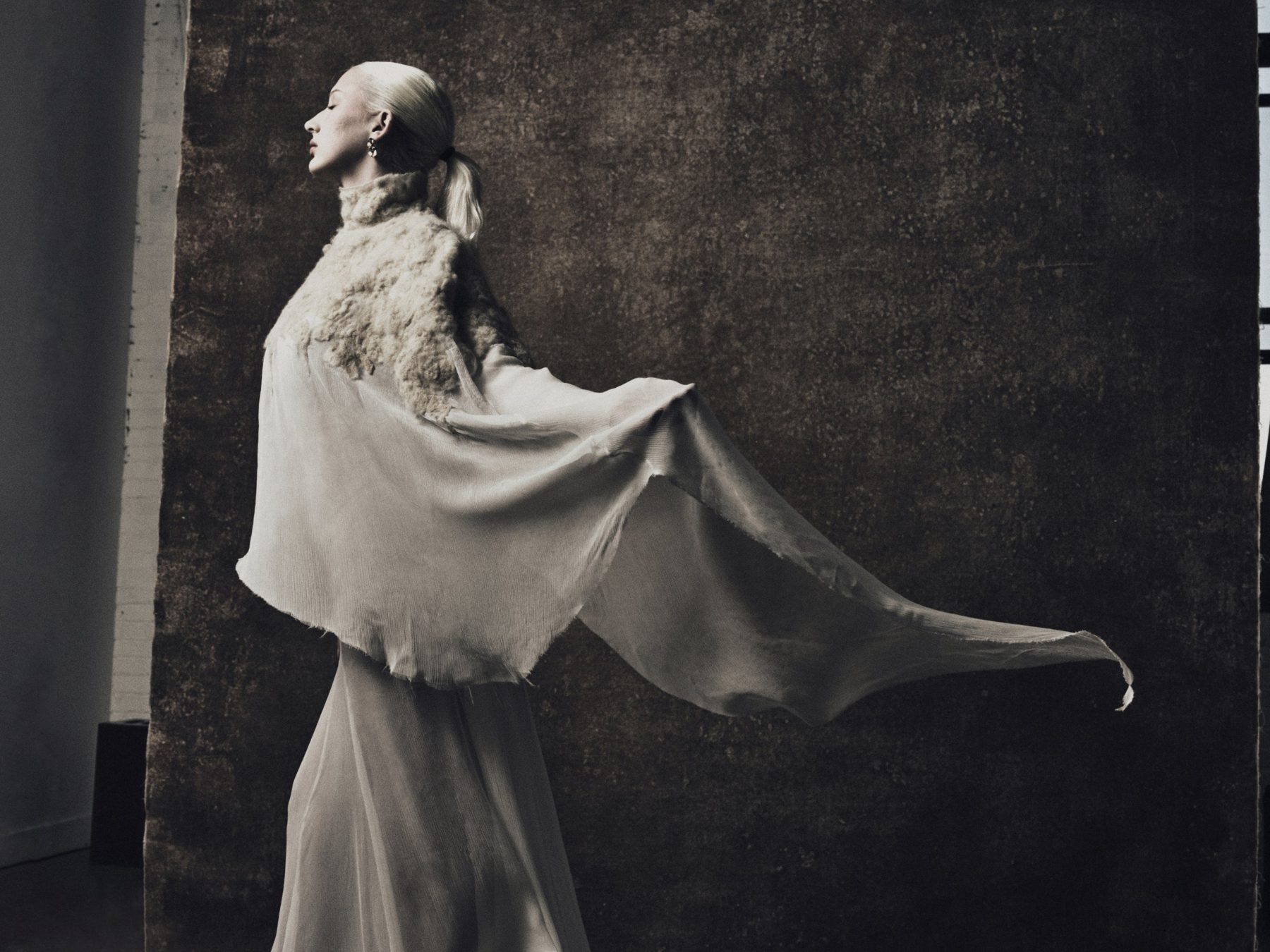
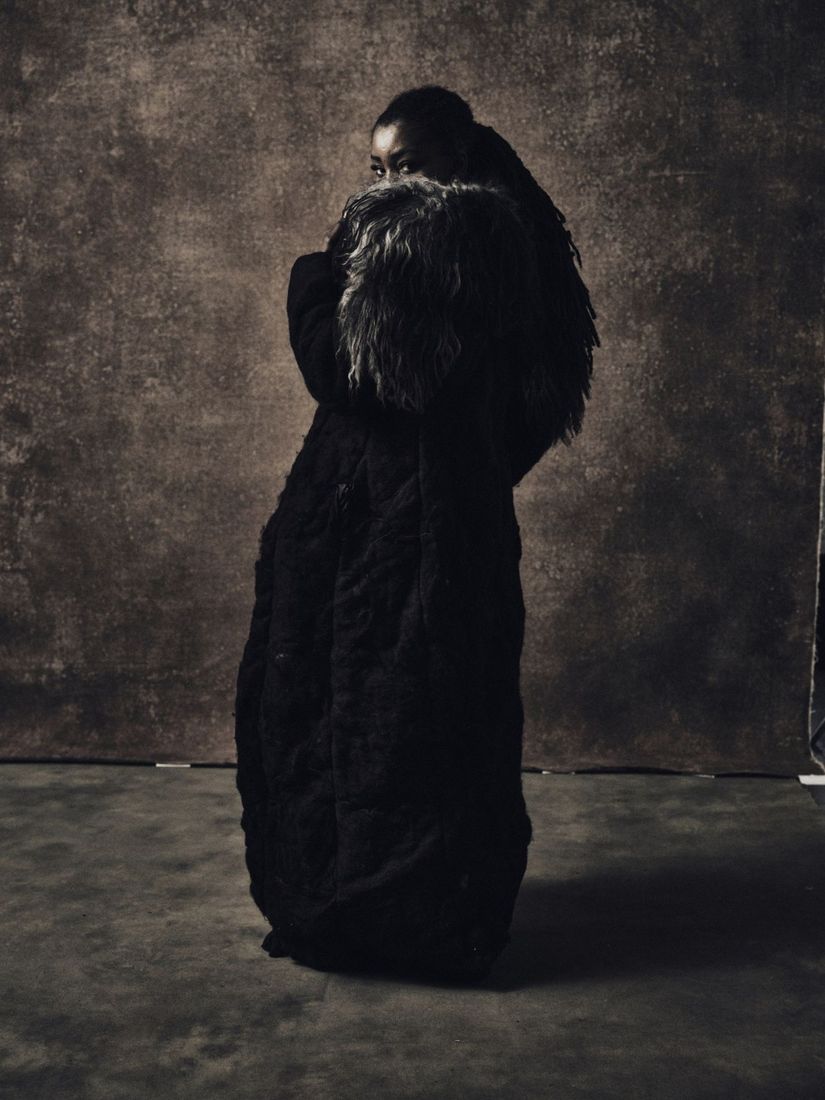
Welkin editorial: model in profile wearing a felted collar and sheer cape in motion

Design research portfolio

Fashion designer and maker. MSc Fashion Design, Drexel University. BSc Apparel, Merchandising, and Design, Iowa State University. Founder of PRATUM, Philadelphia.

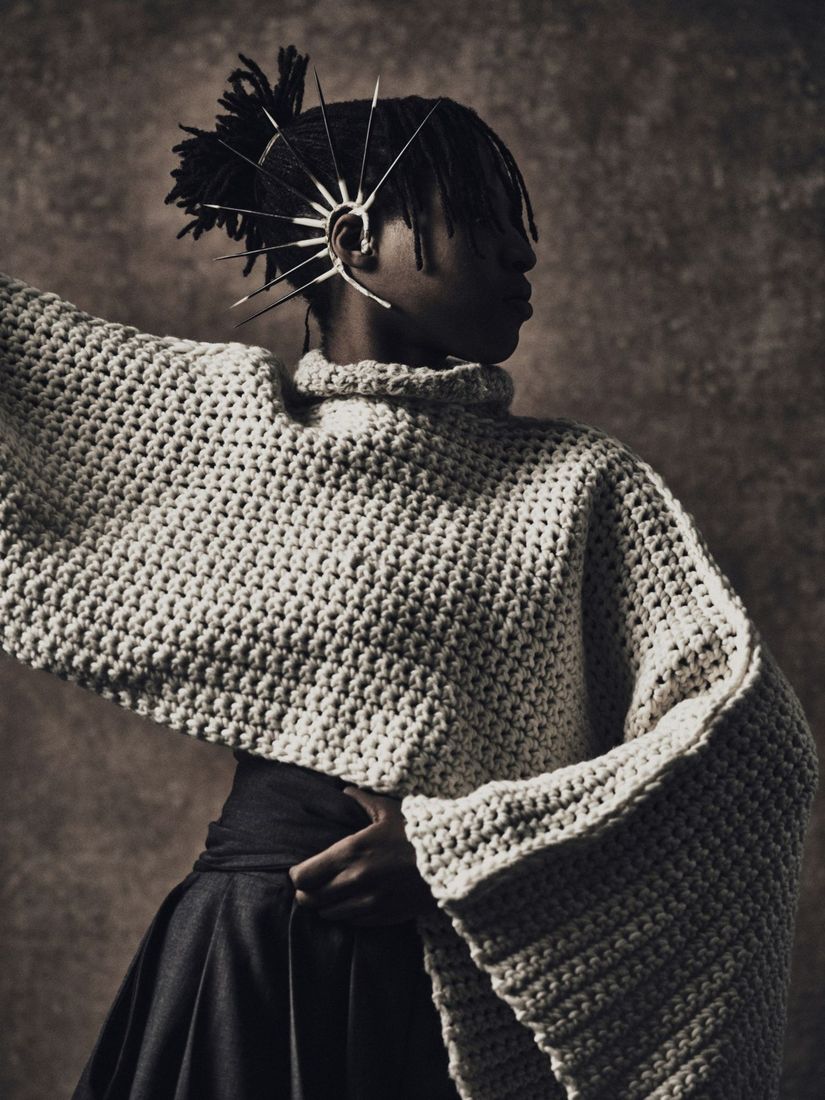
Hand-knit cape detail from Vestige I

Cut, knit, felt, test.

I hold an MSc in Fashion Design from Drexel University and a BSc in Apparel, Merchandising, and Design from Iowa State University. I am the founder of PRATUM, my made-to-order couture house in Philadelphia, and I do everything the business needs: designing and making every garment by hand, alongside the rest of the work of running a company.

My work moves between analog and digital making. Today I build almost everything through draping and flat patterning, and I still turn to CLO 3D for fit simulation when a project calls for it, always grounded in material research and construction logic.

Research direction. Across the nursing-garment research, The Quicky and my knit work, I keep returning to the same question: how can the way a garment is patterned, knitted and fitted make it work better on real bodies? I approach it through material testing, fit simulation across body sizes, and feedback from the people who would wear the product.

Industry practice. As Director of Operations at MTMPRO, I work internationally across the fashion and textile industry, with global tailoring traditions, custom manufacturing practices and production systems. I follow the emerging technologies that are reshaping contemporary fashion practice, and I translate complex technical processes, from cutting systems to fit logic and scalable tailoring workflows, into clear guidance for teams in different countries. At PRATUM, the same attention shows up in how I design sustainably and how I create and source ethically.

Learn more

Industry-sponsored product design, undergraduate research on nursing-garment design, an international knitwear competition, a graduate collection and teaching in sewing and cutting workshops.

Where material research becomes garment.

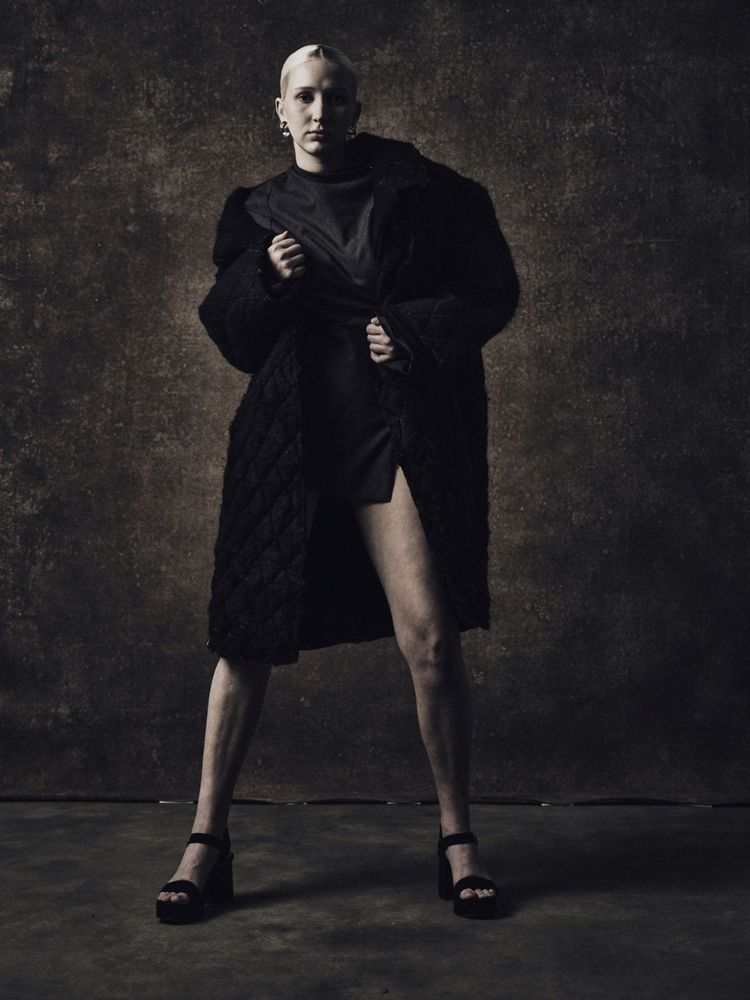
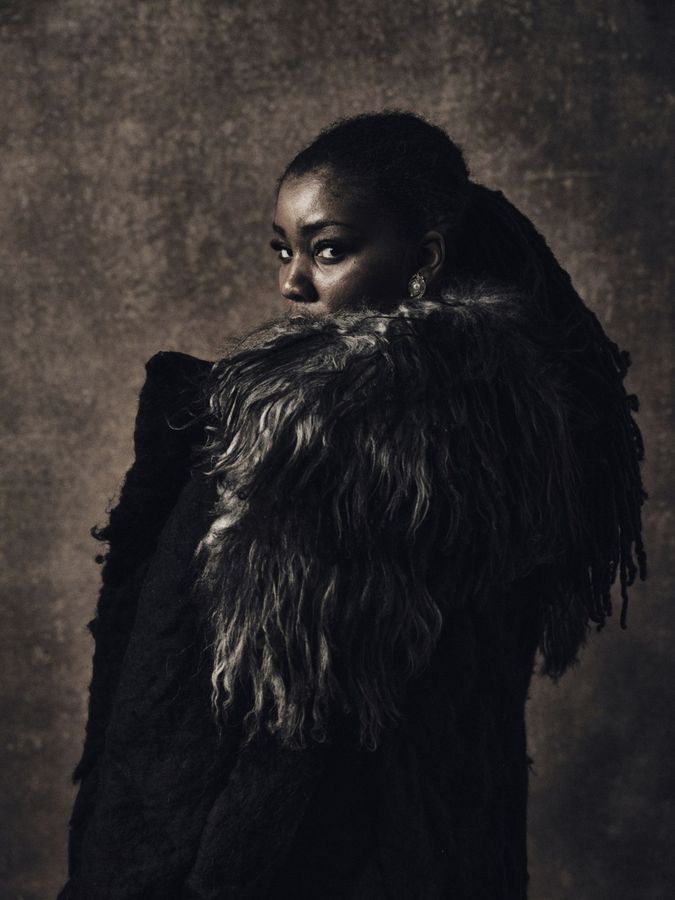
Reclaimed fur coat from Vestige I
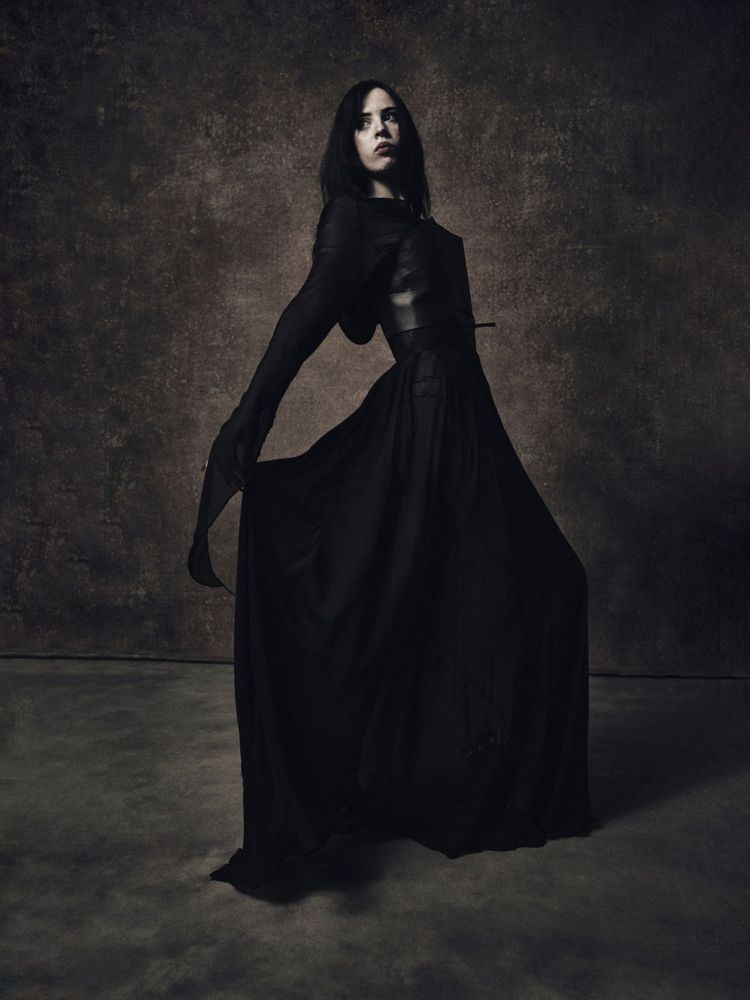
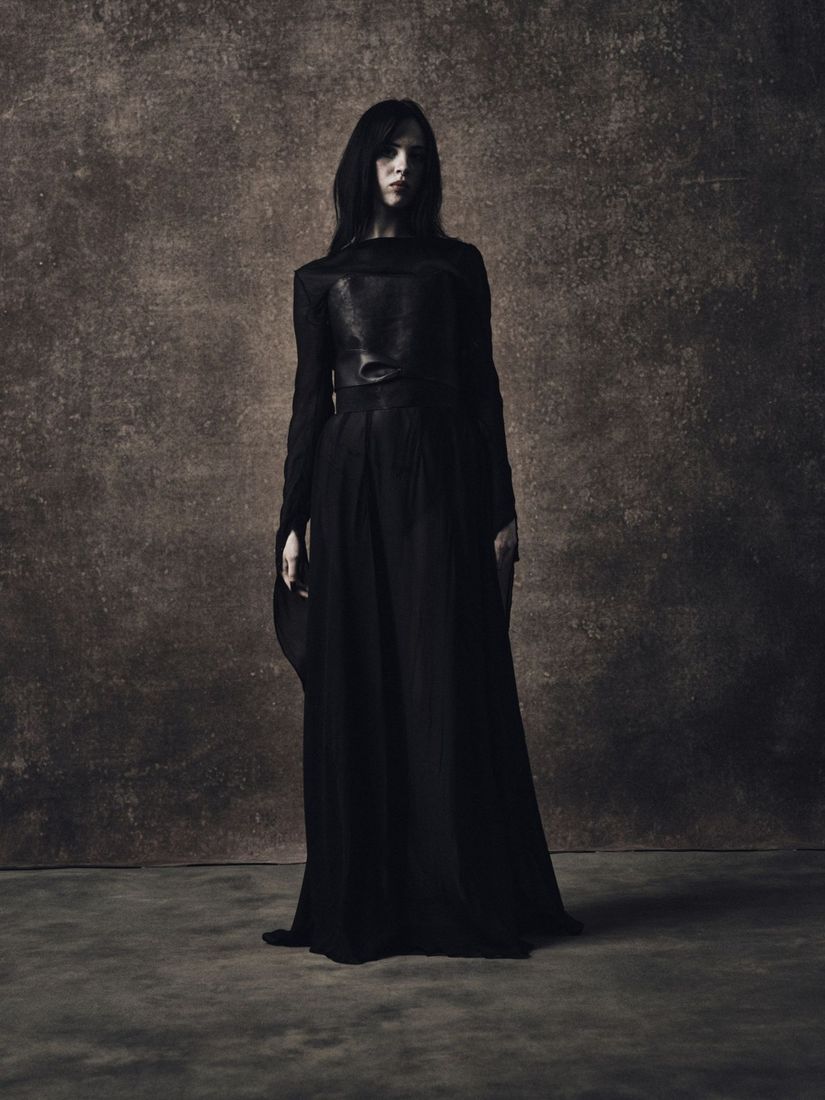
Vestige I black gown
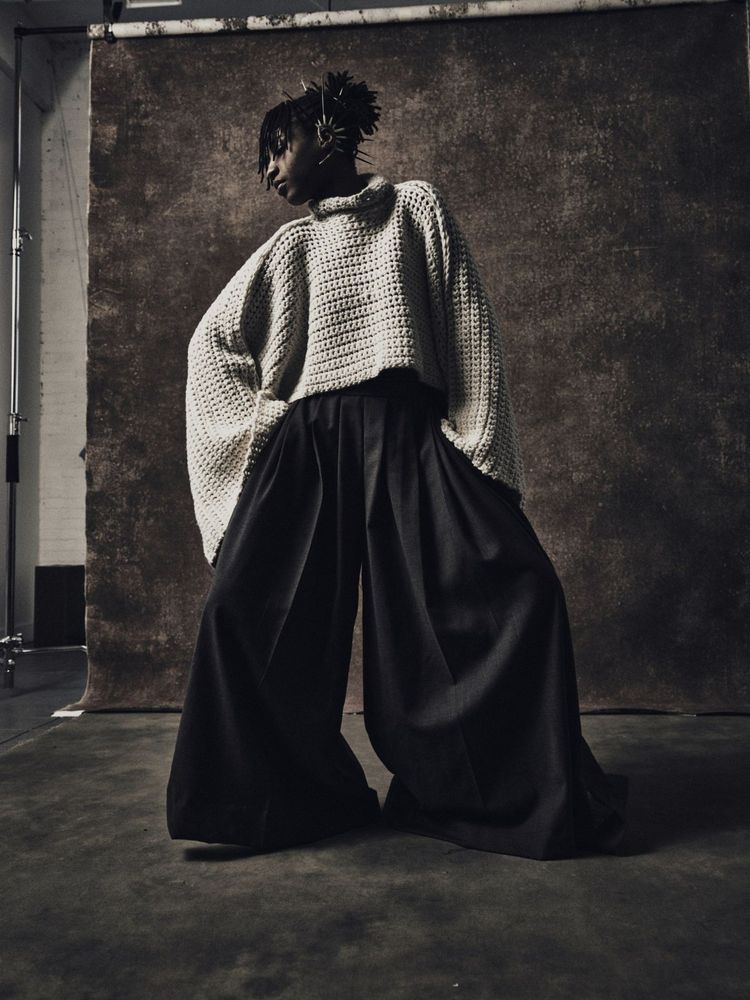
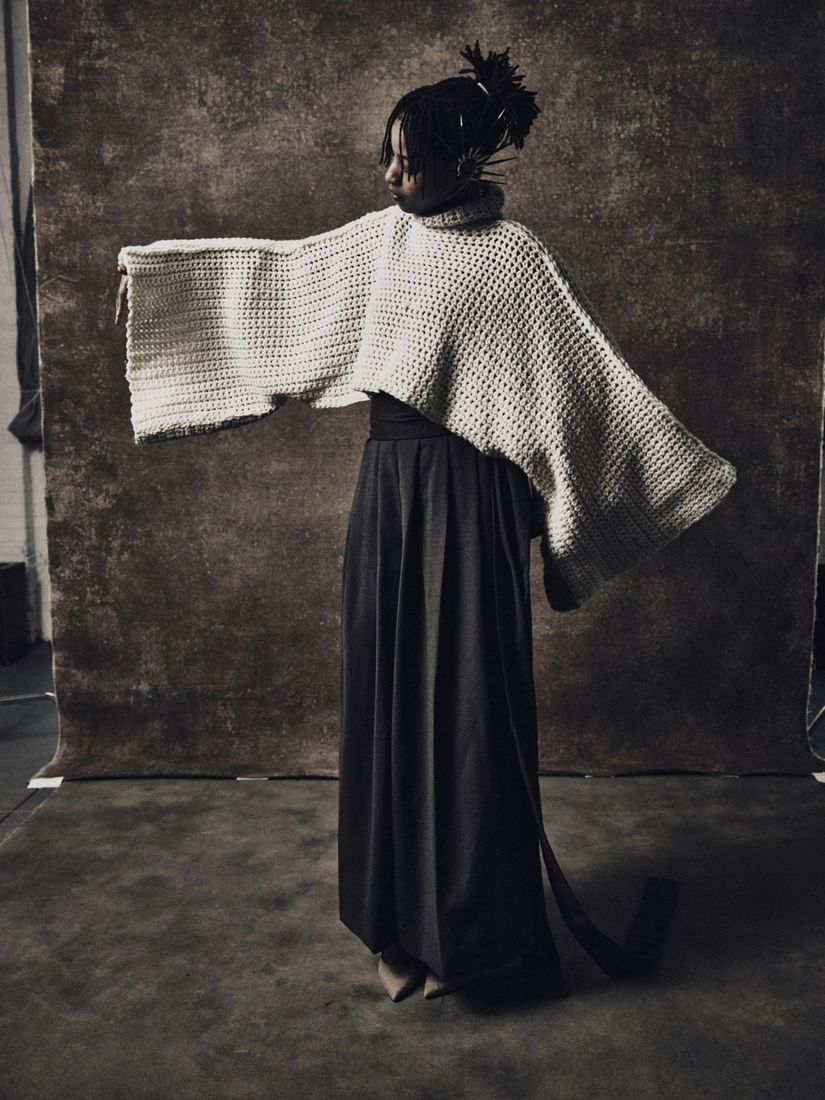
Vestige I knit cape and wide trousers
Vestige I fur coat, back view
Sustainable Couture Textile
01

Education

Two degrees across design, textiles and merchandising, 2018 to 2024.

MSc in Fashion DesignSep 2022 – May 2024 Drexel University, Westphal College of Media Arts & Design, Philadelphia

A practice-based degree that combined advanced pattern cutting and couture construction with digital garment development and research-informed design projects.

Studied
  • Advanced pattern cutting and draping
  • Couture construction and tailoring
  • Digital garment development and simulation in CLO 3D
  • Machine knitting technology
  • Practice-based and research-informed design projects
  • Business management
Work made during the degree
  • Vestige I, my graduate collection (spring 2024), developed with CLO 3D patterns, Shima Seiki machine knitting, and wet and needle felting. It was later released as PRATUM's Autumn/Winter 2025 collection. See the method.
  • The Quicky, a ConvaTec-sponsored intimate apparel studio project (fall 2022). See the project.
  • Feel the Yarn Masters (2024), selected as one of 36 international participants, with a full look made in collaboration with Spinner Filati Naturali. See the project.
BSc in Apparel, Merchandising, and DesignAug 2018 – May 2022 Iowa State University, Ames

A degree that joined design with textile science and material testing, with an undergraduate research internship in nursing-garment design.

Studied
  • Textiles and material systems, textile science and textile behavior
  • Material testing
  • Digital textiles and design
  • Production-oriented design workflows
  • Illustration and garment construction
  • Fashion merchandising and design theory
Research during the degree
  • Undergraduate research internship and independent study with Dr. Ling Zhang (Jan – Nov 2021) on a fit-adjustable nursing bra and reusable nursing pad: sketches and prototypes, CLO 3D fit research, analysis of 1,034 survey responses, literature review, and sourcing of 37 fabrics and 50 trims. See the research.
02 Research experience

Nursing-garment research

Iowa State University, Jan – Nov 2021. Research led by Dr. Ling Zhang.

Nursing mothers' bodies change through pregnancy and breastfeeding, yet most nursing bras come in one size. Dr. Zhang's team set out to design a bra that could self-customize its band and cup size, guided by a survey of nursing mothers. I joined as an undergraduate research intern and continued through independent study.

1,034survey respondents analysed
4bust sizes simulated: 75, 85, 95, 105 cm
37fabrics sourced and compared
50trims, closures and non-slip products

My contributions

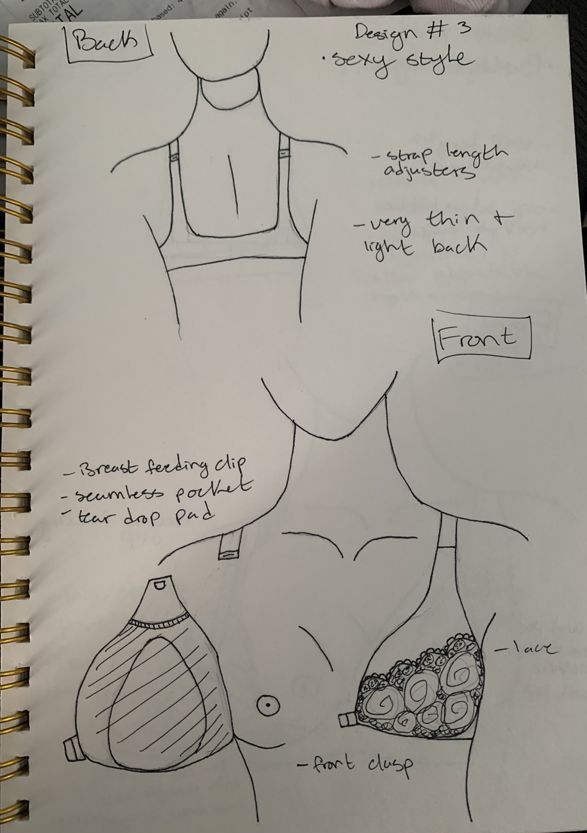
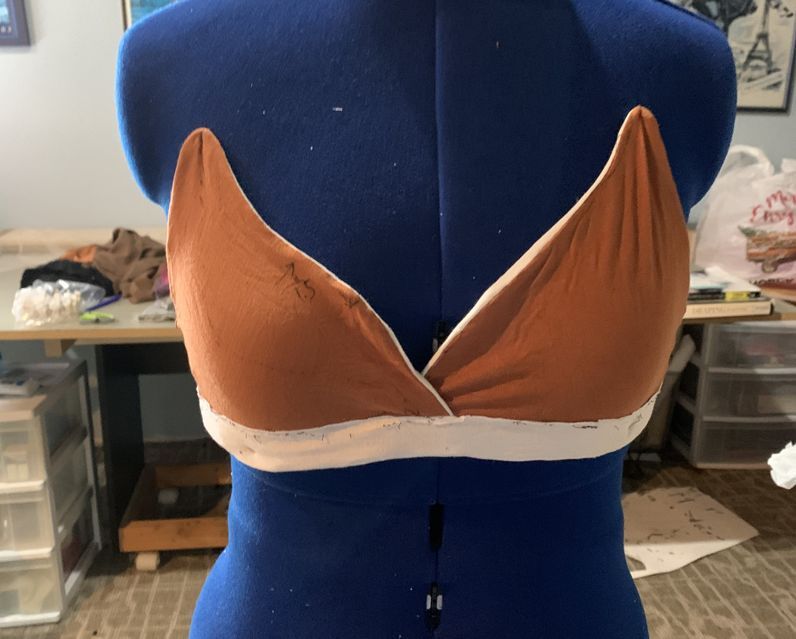
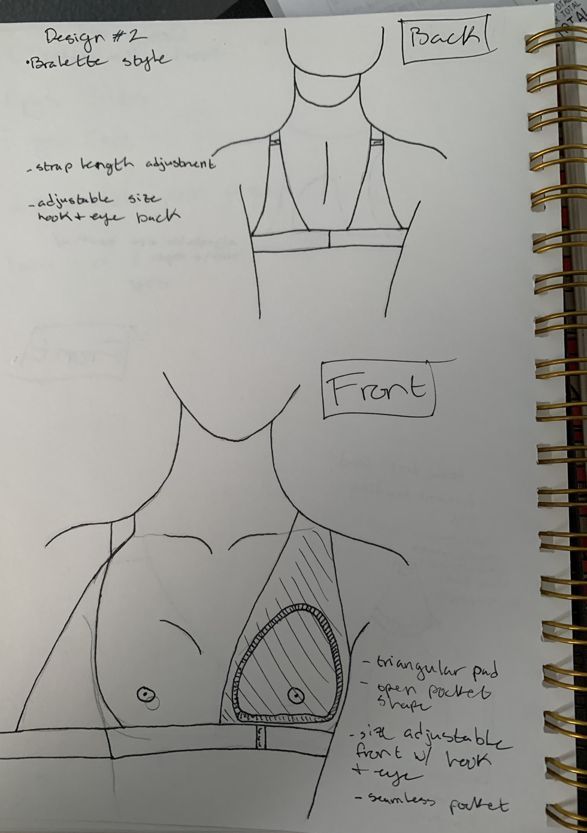
  • Created design sketches and prototypes, working through draping, pattern making and fit refinement on a fit form. I sketched eight design directions, exploring sports-bra, bralette, mesh and lace-up styles.
  • Worked with the textiles lab on the reusable, washable nursing pad they were developing, as part of my design contribution, to make sure it fit and worked well with the bra.
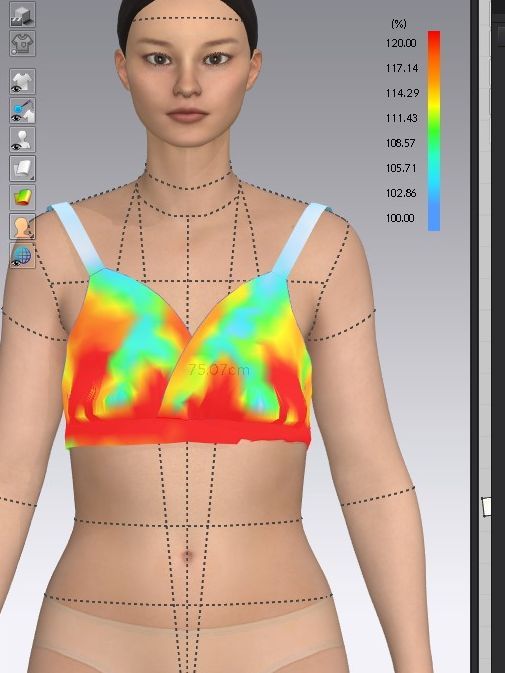
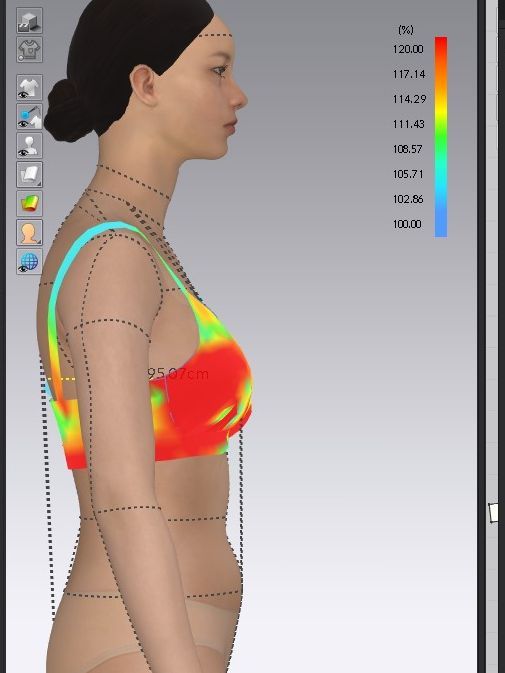
  • Ran fit research in CLO 3D, simulating the bra across bust measurements of 75, 85, 95 and 105 cm and comparing fabric tension maps.
  • Worked through survey results from 1,034 respondents, calculating findings to answer the principal investigator's research questions on milk leakage, nursing pad use, yeast infection and size change.
  • Reviewed and summarized journal literature on breastfeeding, nursing apparel and materials, and completed structured article analyses.
  • Sourced and compared 37 fabrics, 50 trims, closures and non-slip products, and silicone-backed elastics; researched antibacterial and antimicrobial fabrics for the bra and for a reusable, washable nursing pad.
Nursing bra design sketchNursing bra design sketchBra prototype on dress formCLO 3D tension map, frontCLO 3D tension map, side

Methods. I worked across literature review, survey analysis, material sourcing, prototyping on a fit form and fit simulation in CLO 3D, so that design decisions rested on several kinds of evidence: what 1,034 survey respondents reported, what the literature said about materials, and how fabric tension changed across four bust sizes.

Project outcomes are credited to Dr. Zhang's team: a 2025 ITAA conference paper (Zhang, 2025) and U.S. design patent D1,051,551 S for a fit-adjustable nursing bra (Zhang and Jiang), granted and announced by Iowa State in February 2025. Survey data are unpublished work from Dr. Zhang's group.

03 Selected projects

Recognition and industry work

Grants, press and shows

  • Iowa State University Focus: Artist Grant Program, 2019 and 2020. Awarded two grants, one in each year, of up to $800 each, to create one-of-a-kind art pieces.
  • Philadelphia Fashion Week, February 21, 2026. Showed PRATUM alongside other Philadelphia and New York brands.
  • DC Fashion Week, February 15, 2026. PRATUM show.
  • Avant Garde show, Philadelphia, April 13, 2025. Showed with other local brands.
  • Drexel graduate collection show, June 19, 2024. Showed my graduate collection.
  • Behind the Collection designer special, January 2025. Featured in a documentary-style series that profiles designers’ brand stories and ends with a private show. Watch the episode.
  • Canvas Rebel feature, April 2025. Interviewed for “Daily Inspiration: Meet Claire Wessels.” Read the feature.

Feel the Yarn Masters, 2024

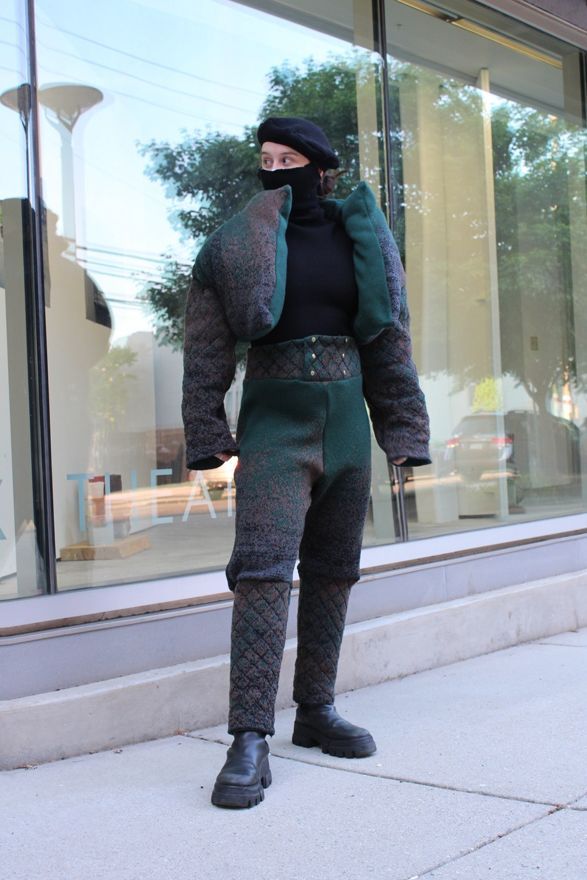
Selected as one of 36 international participants in the 15th edition of the contest, themed Contradictions: a balance between technology and heritage, pairing innovative yarns and updated knitting technology with handcrafted detail and respect for sustainability. I completed a full look in collaboration with Spinner Filati Naturali, taking it from concept through machine knitting, iterations and development.

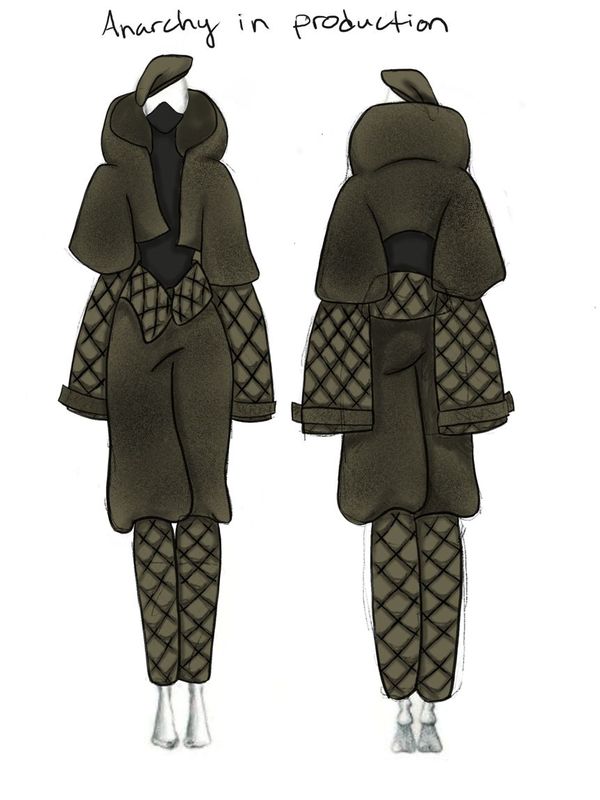
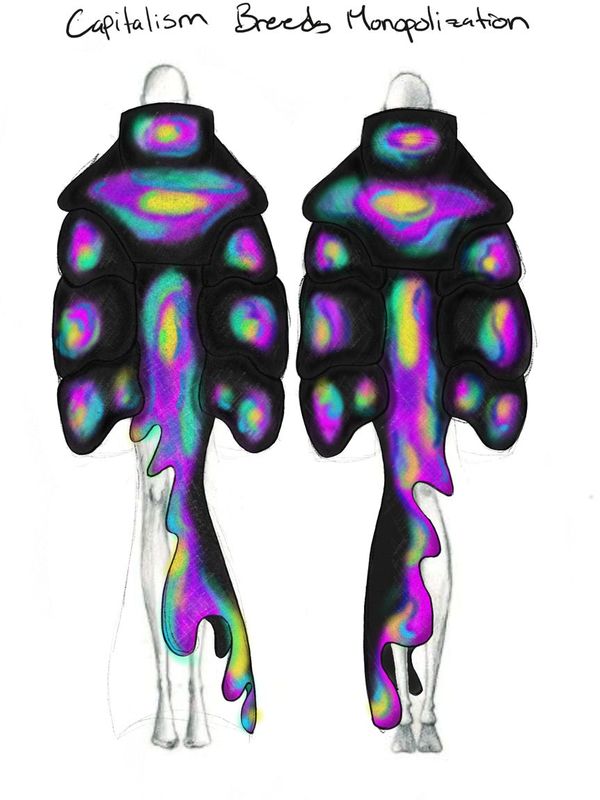
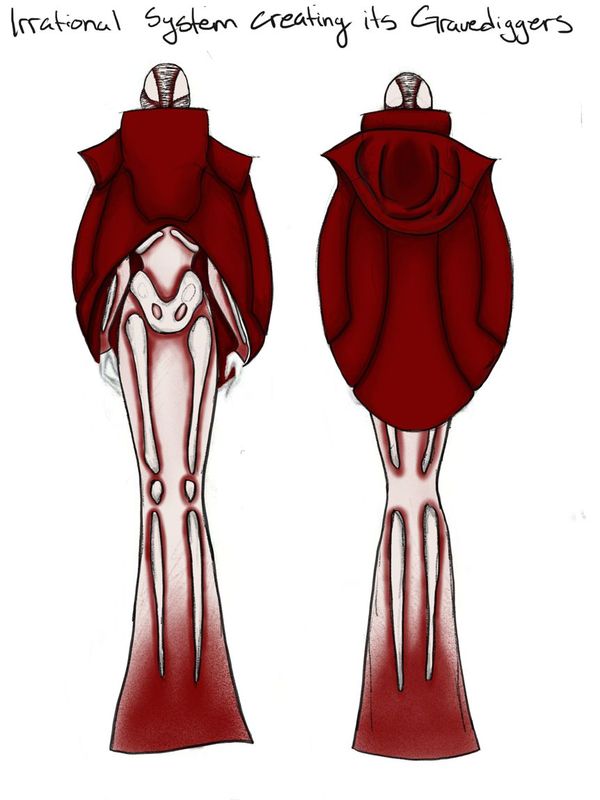
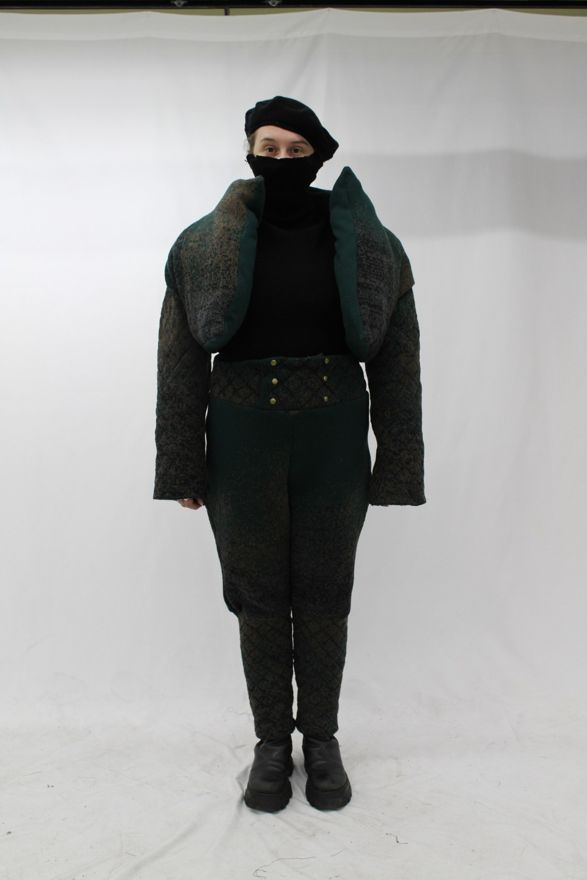
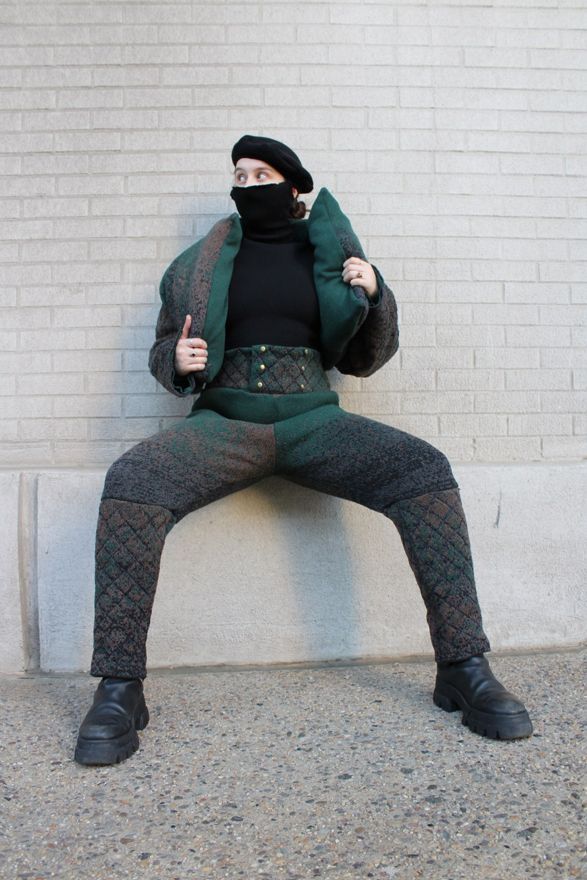
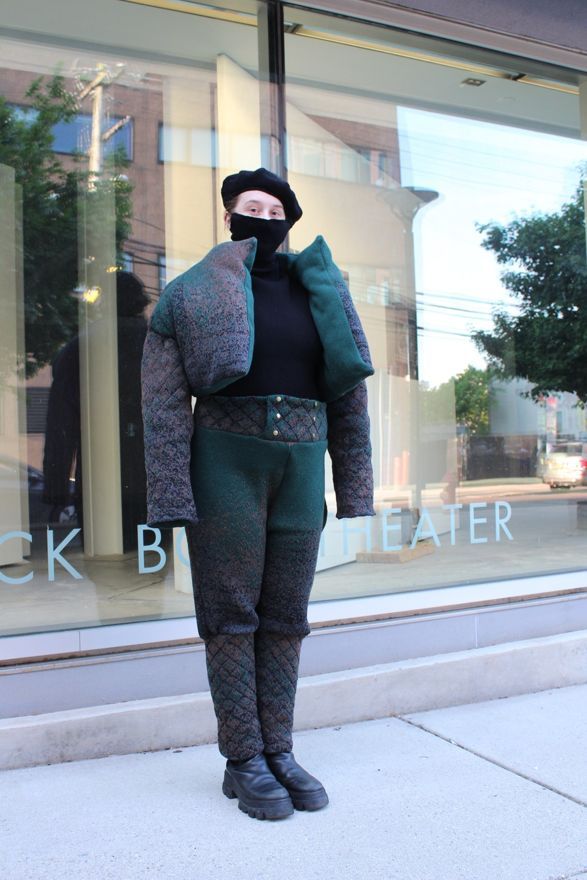
I read the theme as a set of tensions inside capitalism and sketched a three-look collection: Anarchy in Production, Capitalism Breeds Monopolization and Irrational System Creating Its Gravediggers. I developed the first look into a finished garment.

  • Beret. A classic symbol of revolution, non-conformity, resistance and militarism.
  • Face mask. Worn to silence the voices of the anarchists as they oppose the capitalist agenda.
  • Jacket and trousers. A mockery of traditional World War I military garments with a futuristic twist, suggesting a fight that will never end. Both are puffer-style knits combining bird's-eye jacquard with 12-gauge jersey.

Methods. I developed the look through multiple rounds of machine knitting and testing in KnitPaint, iterating on the puffer-style construction that combines bird’s-eye jacquard with 12-gauge jersey.

Look 1 sketch, Anarchy in ProductionLook 2 sketch, Capitalism Breeds MonopolizationLook 3 sketch, Irrational System Creating Its GravediggersFinished look, studioFinished look, streetFinished look, seatedFinished look, storefront

Model: Claire Wessels   Photographer: Rita Denicuolo

The Quicky, fall 2022

An individual studio project developed with ConvaTec at Drexel University. ConvaTec gave students access to their existing stoma products and asked for ideas that could extend what they offer patients. People with stomas often rely on bulky wraps and bands during intimacy, so I designed a patch and cap system that covers the stoma discreetly and lets intimacy focus on the experience rather than concealment or judgment.

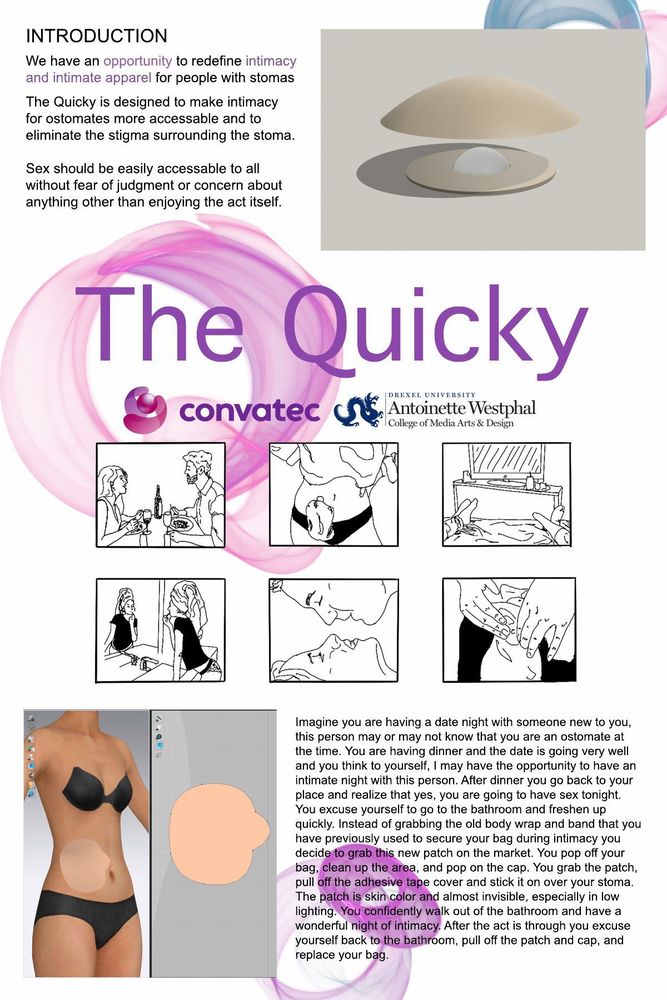
The project began with garments and evolved into a patch, guided by feedback from roughly 75 to 150 members of online ostomy communities. I wrote the user scenario as a storyboard of one evening, from a date through to a confident return from the bathroom: the user removes the bag, cleans the area, applies the cap and places the patch, then takes both off afterward and puts the bag back on. It set the requirements for the design: speed, discretion and ease of use.

  • Exploring garments. I sketched intimate bottoms for people with ostomy bags and developed three designs in CLO 3D (backless short, crotchless brief and crotchless short), checking fit and coverage on avatars of different genders, body types and skin tones.
  • Listening to the community. With no test subjects available, I shared my research in ostomy groups on Reddit and Facebook and asked for questions, comments and concerns. Most of the people who replied were women, and their main concern was aesthetics: the garments looked dated and unflattering, and being so covered up made people feel less intimate. I moved away from garments and focused on a smaller product.
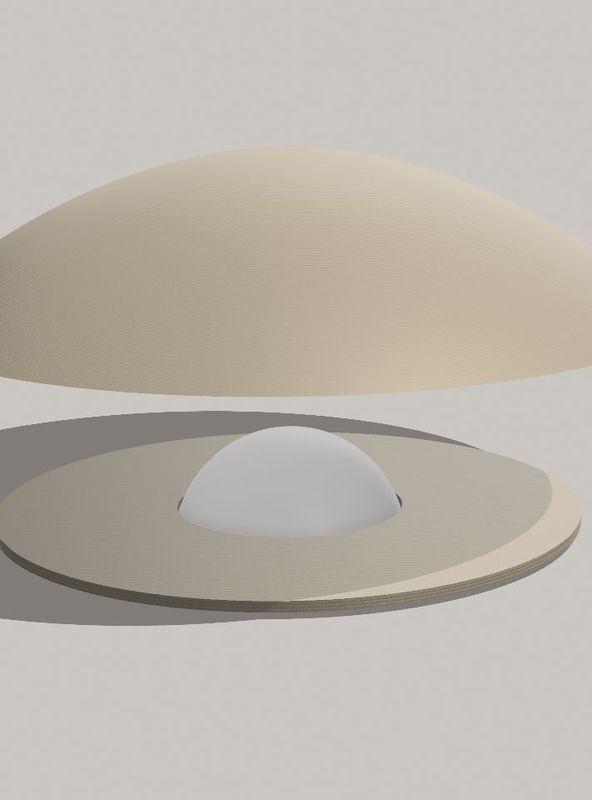
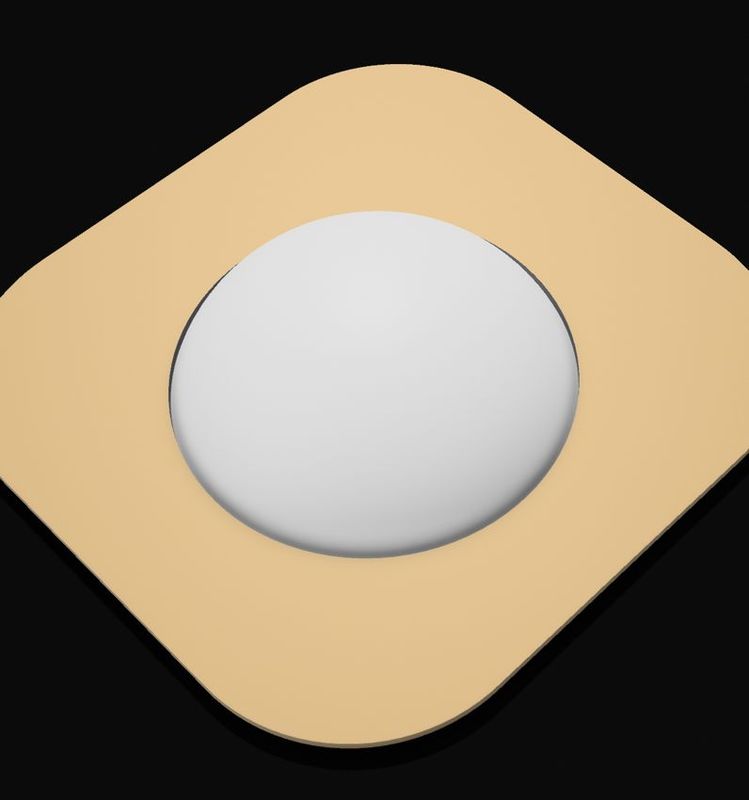
  • CAD development. I modeled the system in Shapr 3D over several iterations: a low-profile dome over the stoma, a flexible patch around it, and a cap that closes over both. The cap was 3D printed in PLA to test the form at full scale. The system works with ConvaTec's stoma bandages, which sit against the skin and provide adhesion, so no new skin-contact material was needed.
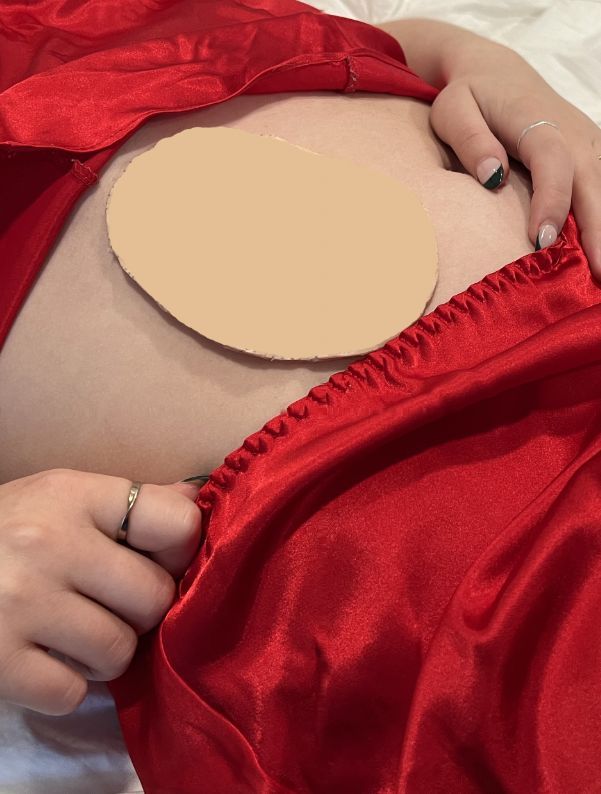
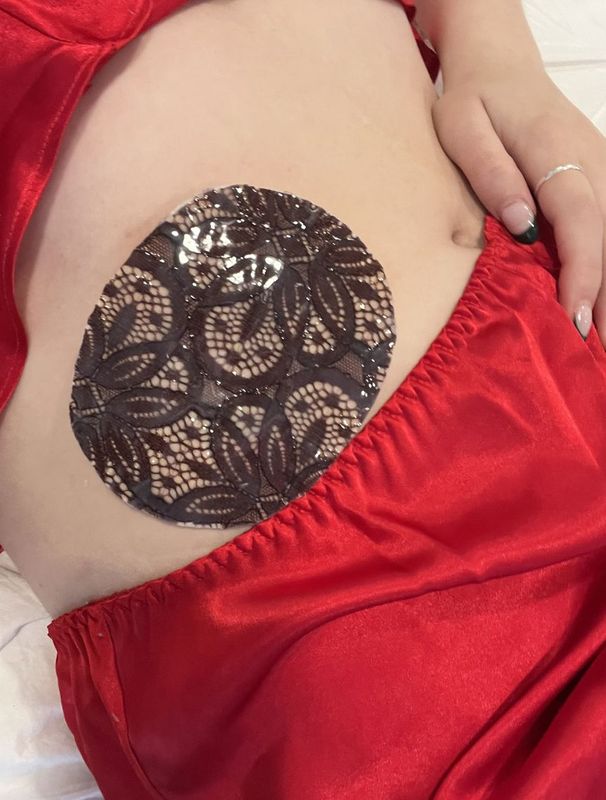
  • Three ways to wear it. Community feedback pointed to an intimacy product that felt attractive, not medical, so I made three patches to explore how someone might want to present their stoma. A plain skin-tone version cut from 1.3 mm silicone sheet aims for near-invisibility. A second silicone version is hand-illustrated, making it personal. The third uses polyester lace treated with liquid latex to make it waterproof, as a deliberate feature. Each patch sits over ConvaTec's stoma bandage and was photographed worn.
  • Outcome. I took the project from concept to a full-scale mockup, a 10-minute formal presentation to the ConvaTec team, a 24 × 36 poster and a process book.

Methods and finding. I worked from direct feedback from roughly 75 to 150 members of online ostomy communities, a user scenario, CLO 3D garment studies, Shapr 3D modeling and a PLA-printed cap tested at full scale. The finding that changed the project was about aesthetics: respondents found the garments dated and unflattering, and said being so covered up made them feel less intimate. I moved from garments to a patch.

Product renderProduct render, top viewPrototype wornLace prototype wornFinal poster

Model and photographer: Claire Wessels

Reflection. With no test subjects, I relied on online groups, and many people were not willing to talk about intimacy, which limited my research. If I did it again, I would look for a group of people with stomas who meet in person for group sessions and ask them about their experiences directly, rather than only reaching out online.

04 Practice

PRATUM

Founded 2020. Made-to-order couture, Philadelphia.
pratum.co.uk

Jump to Vestige I method

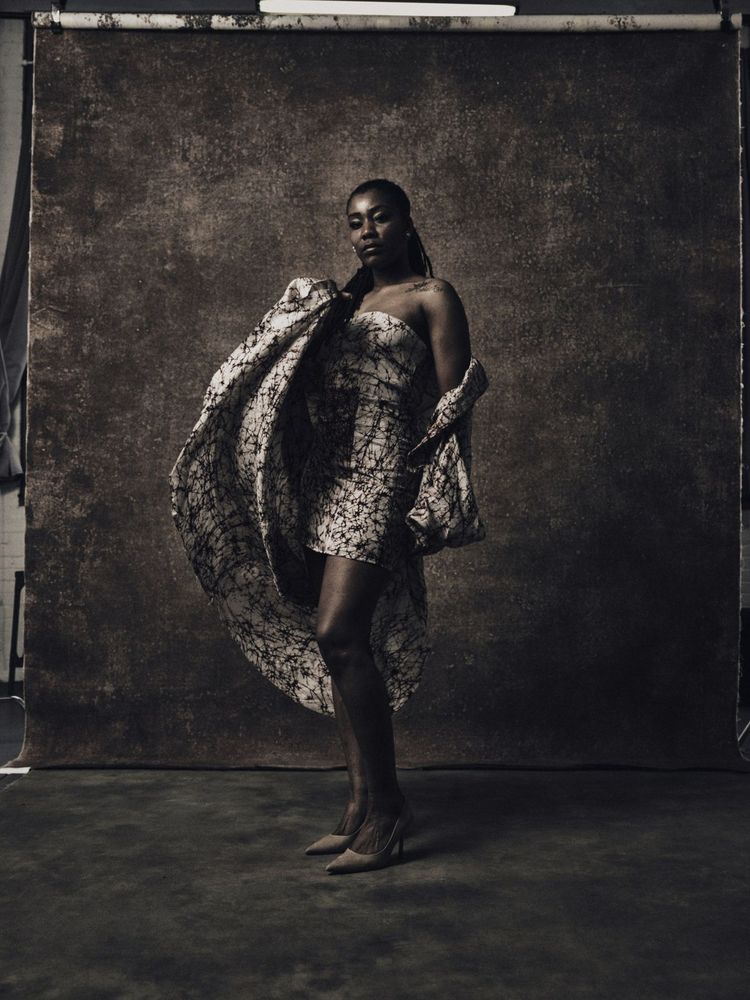
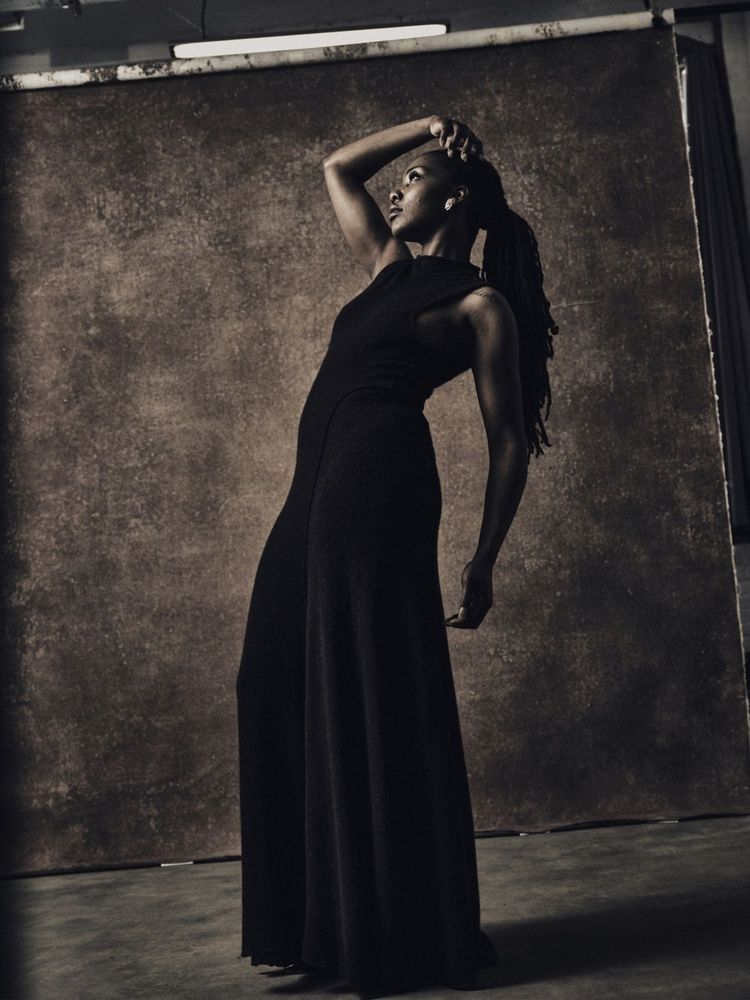
Every garment is patterned, cut, fitted and finished by hand in a limited-commission studio practice. Two collections so far: Vestige I (developed as my graduate collection, released Autumn/Winter 2025) and Welkin (Spring/Summer 2026). I work with natural fibers, deadstock and reclaimed materials to build garments meant to last. All of my work is bespoke and made to measure, so every garment is a custom commission, and I have worked with multiple custom clients.

Vestige I

Autumn/Winter 2025. Natural, reclaimed and hand-worked materials, from undyed silk crepe and hand-felted wool to reclaimed coyote fur and an upcycled cow hide corset.

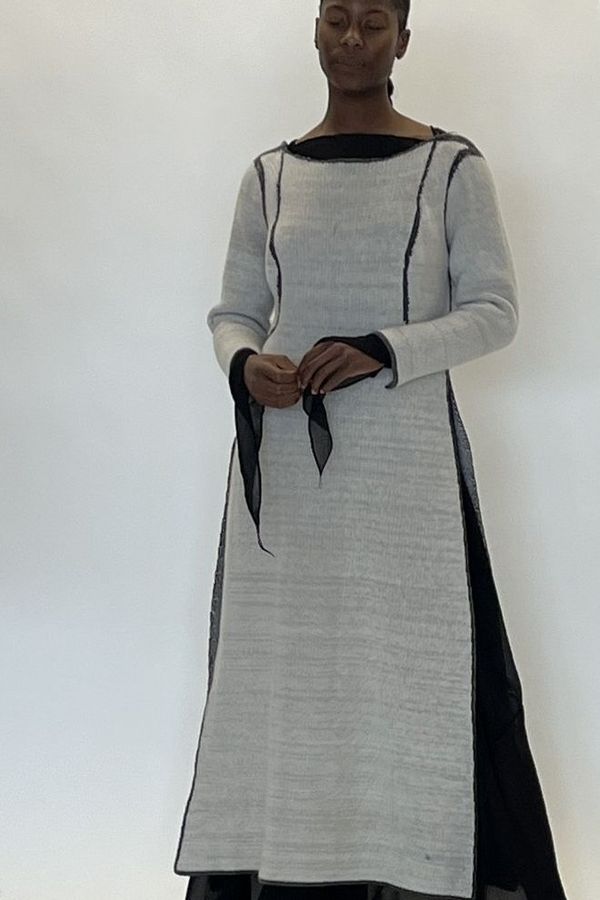
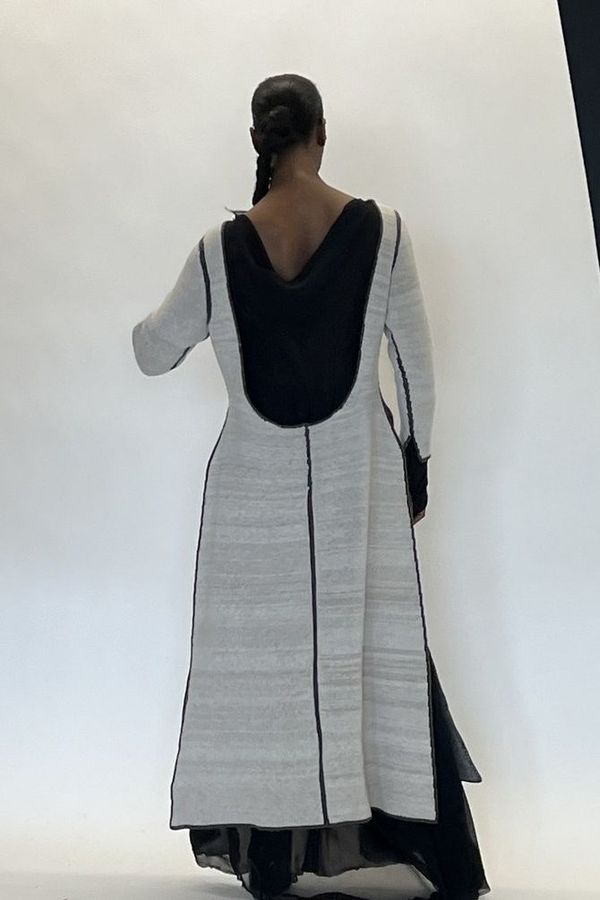
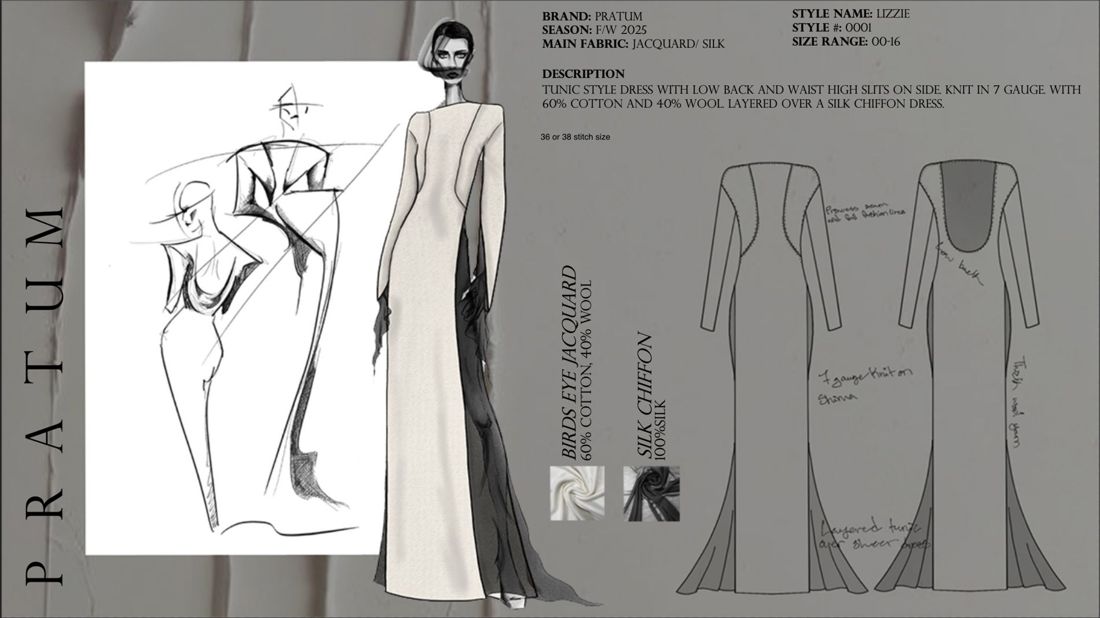
Methods. The knit pieces were tested before they were made. For the dress Lizzie I ran two rounds of washing tests, measured shrinkage after each and adjusted the stitch between rounds, so every piece shrinks to the exact garment size. See the method.

Vestige I models: Leah Knarr; Fatima (@thexgoon); Shakila Denise (@iamshakiladenise); Arcadia Giza (@eyebaqz); Aubrey Conley (@aubrey_conley08).

Reflection. If I made the collection again, I would include more tailored pieces to show more of my tailoring skill, and I would extend the felted textile production beyond coats to other garments.

Welkin

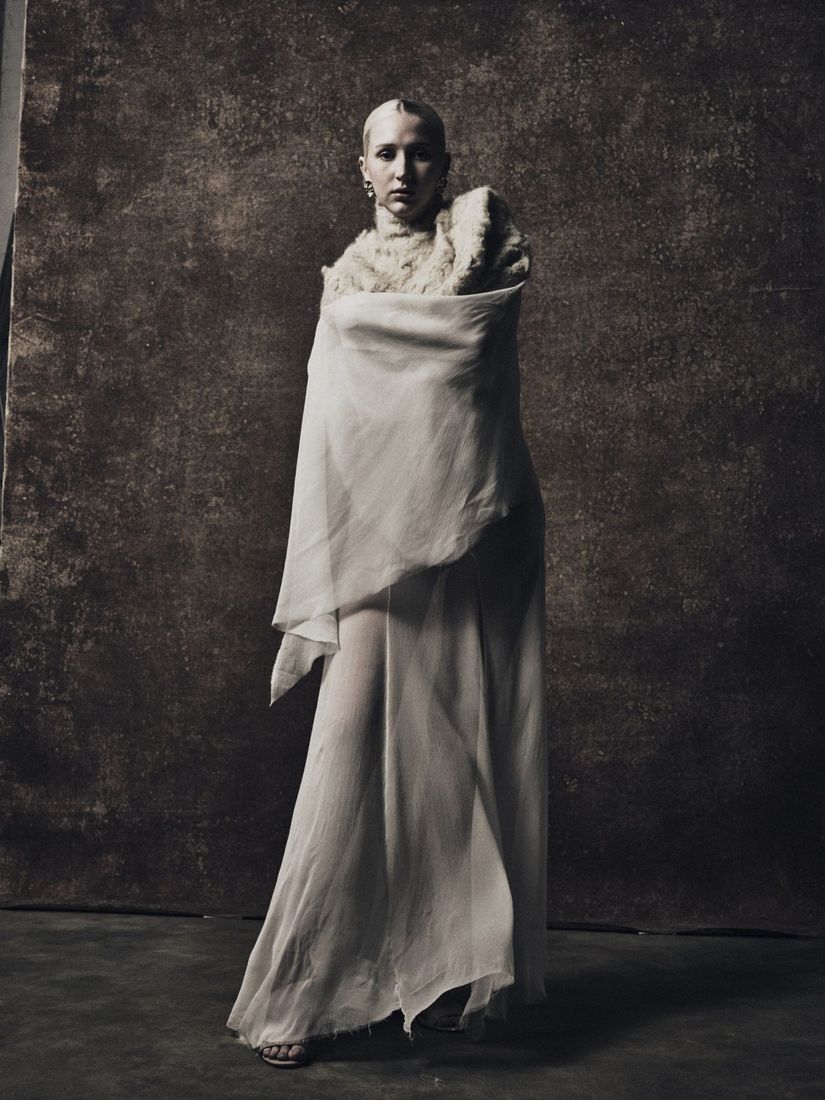
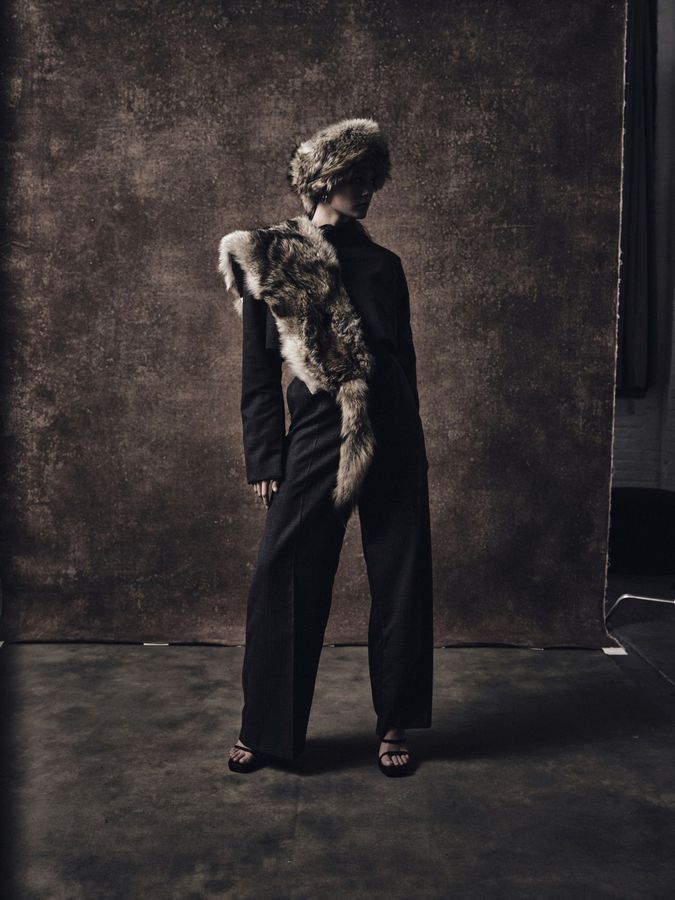
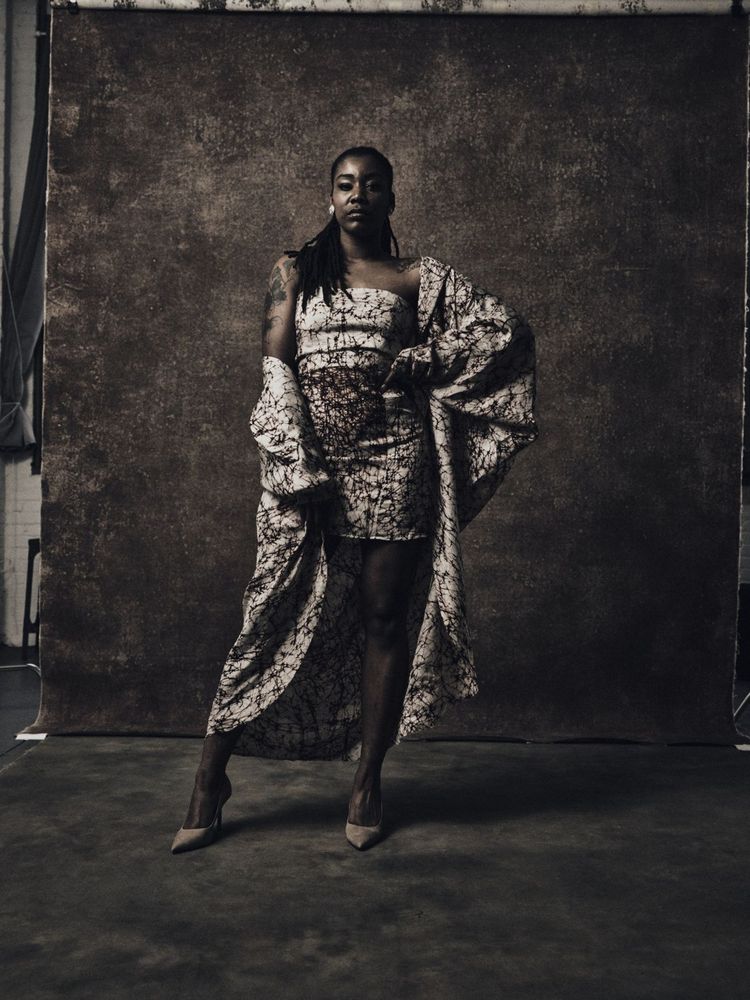
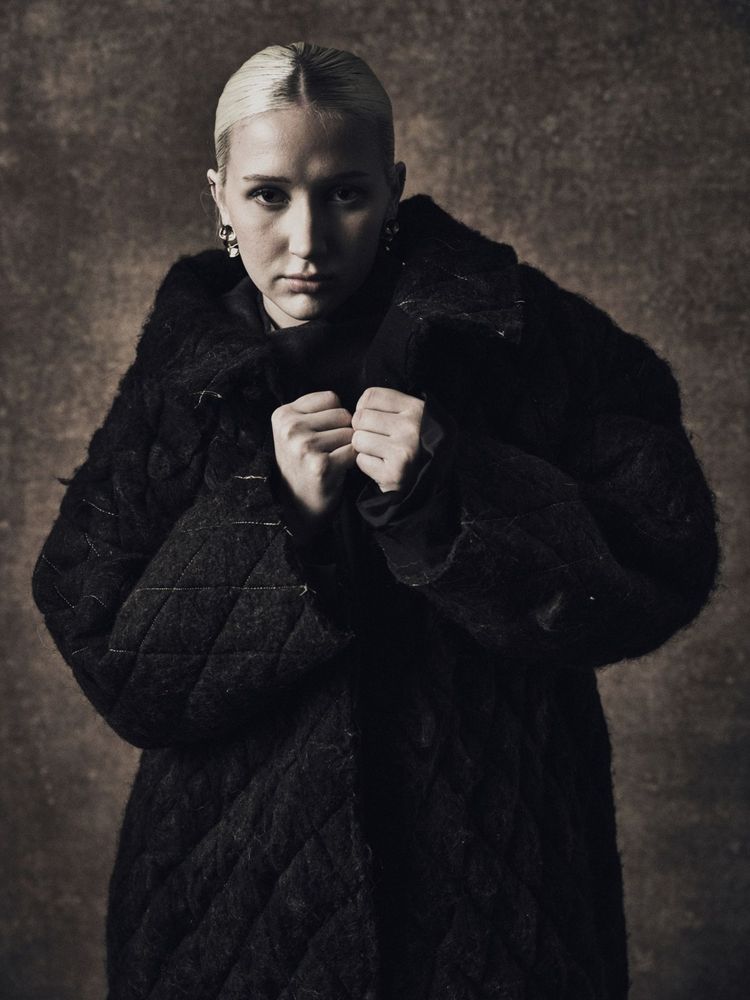
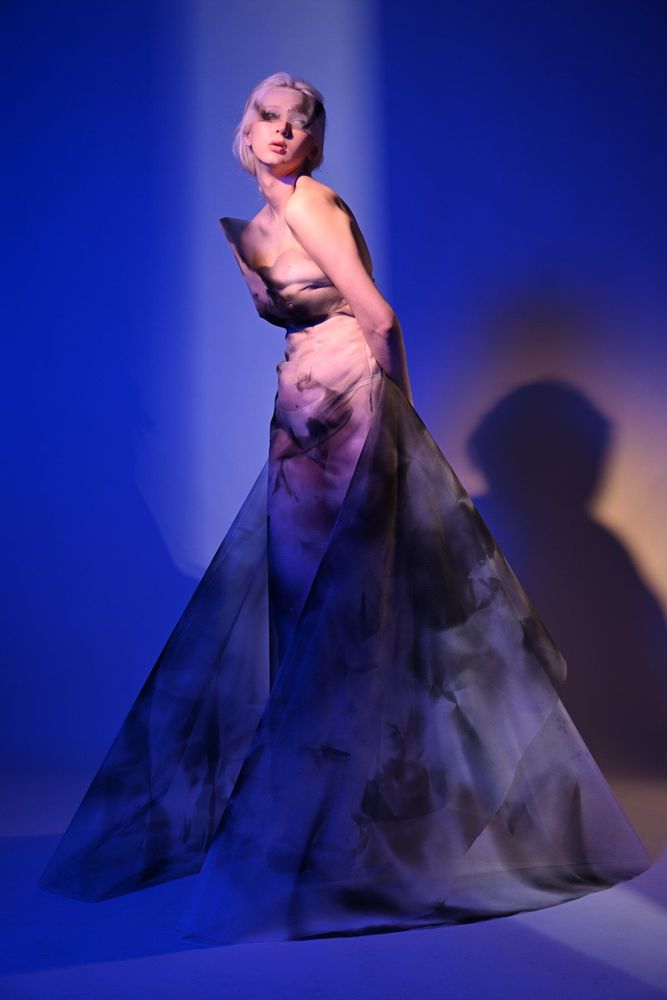
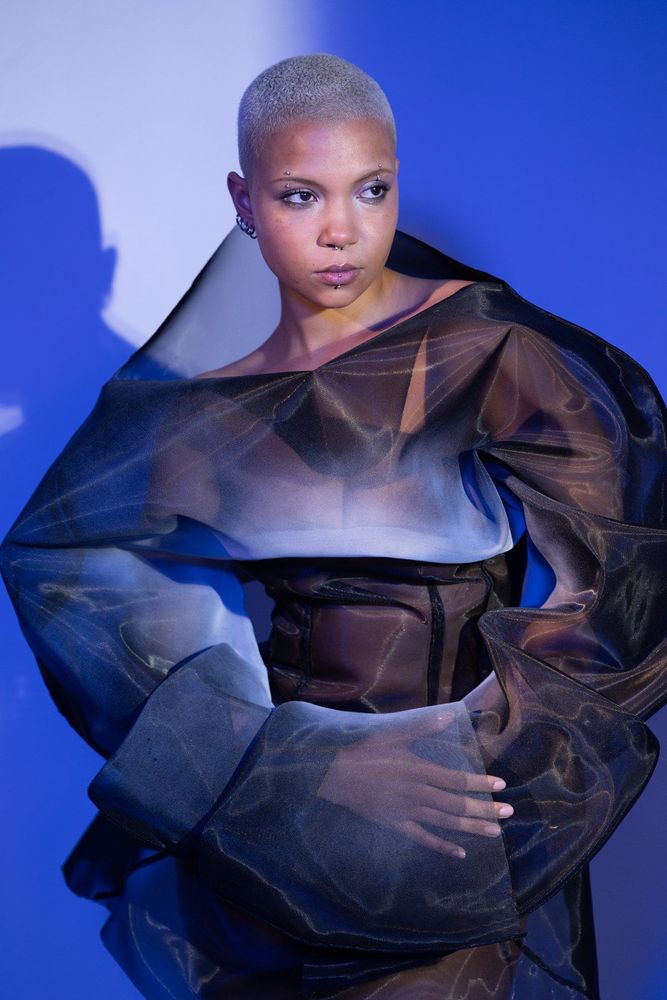
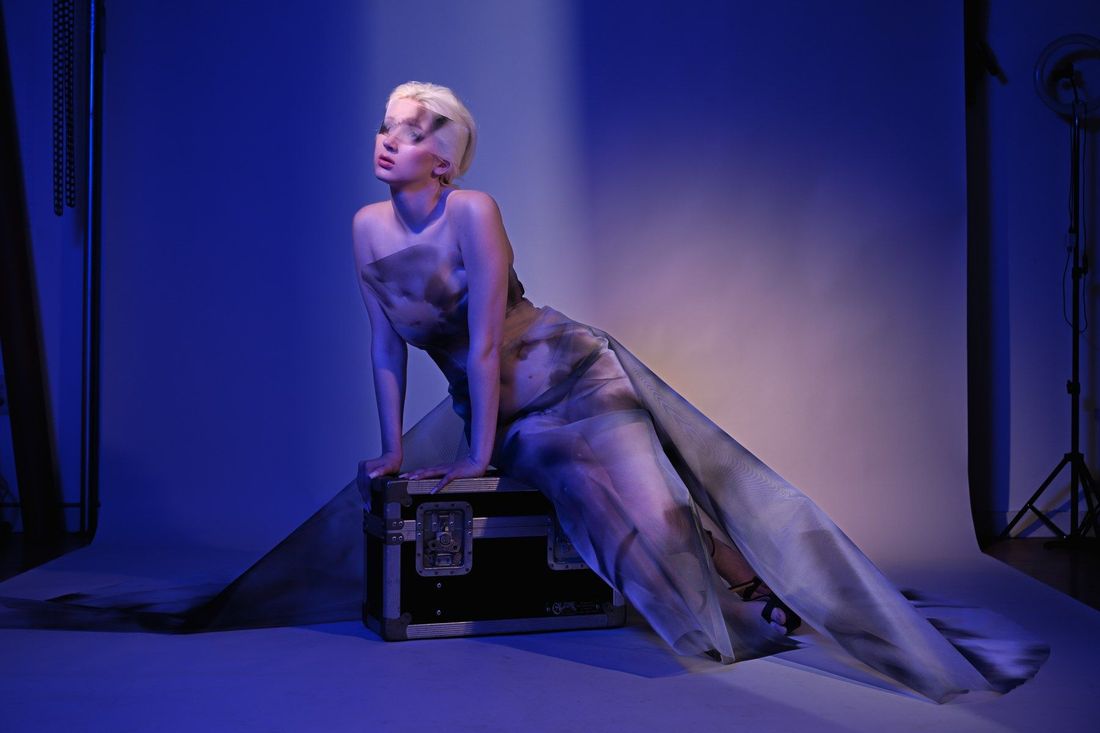
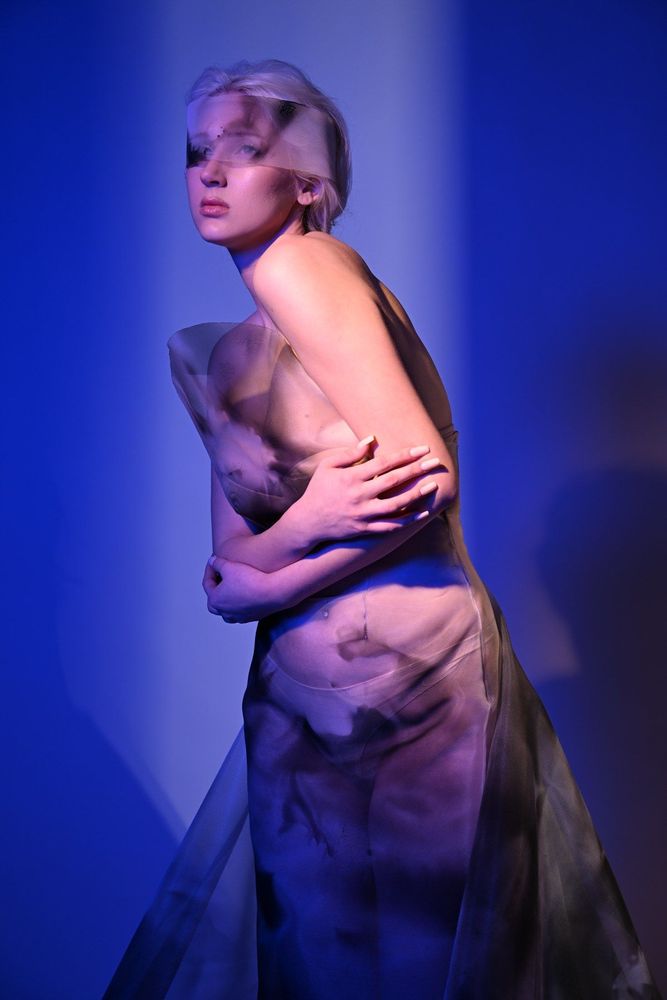
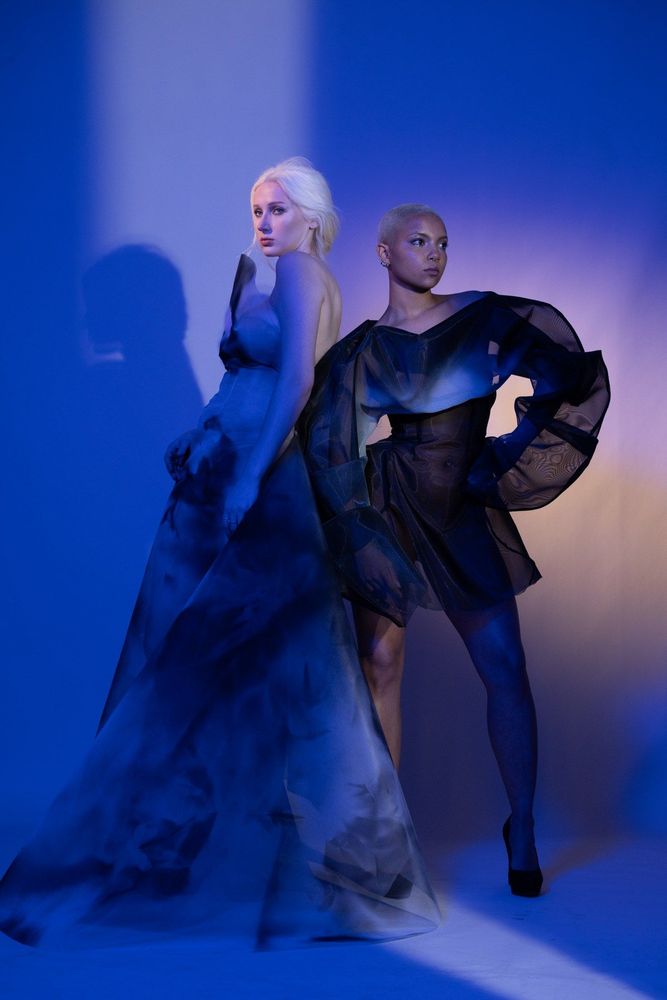
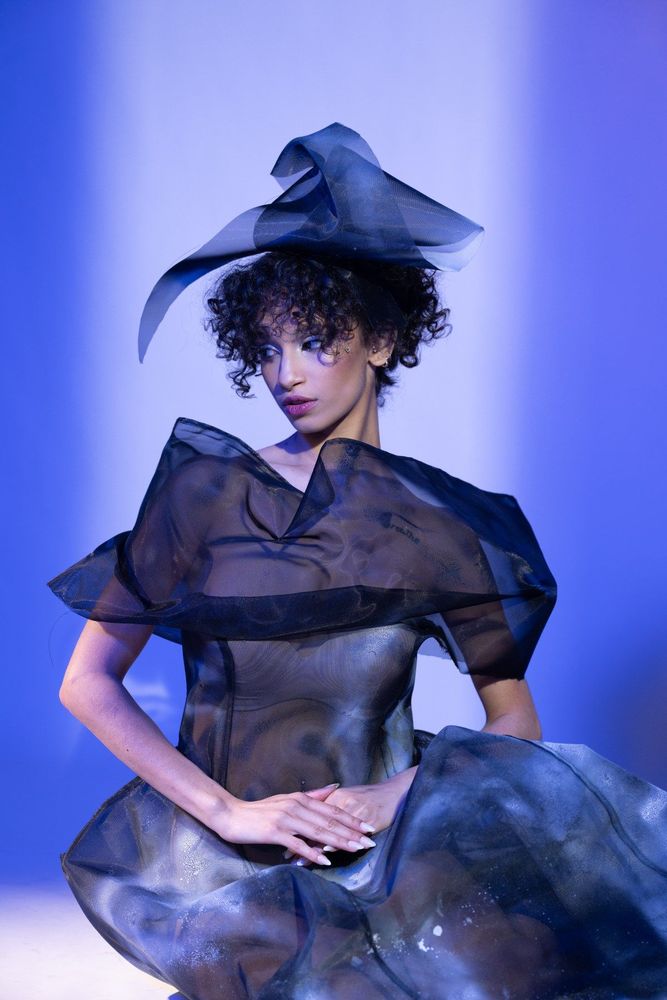
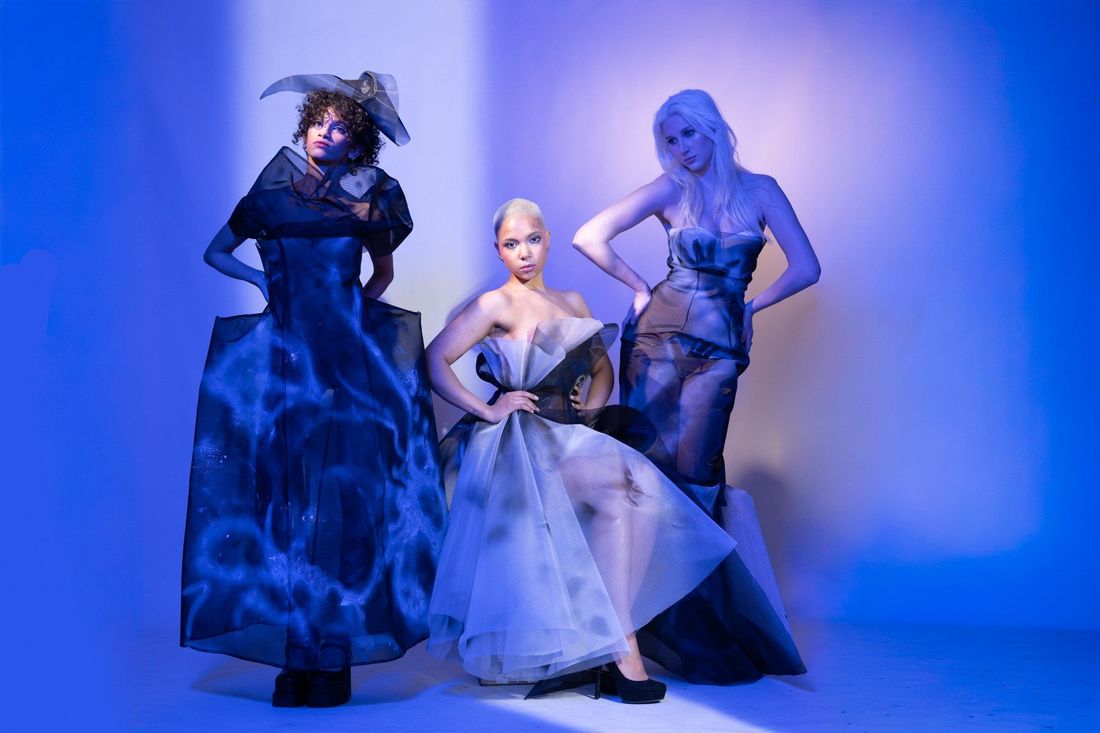
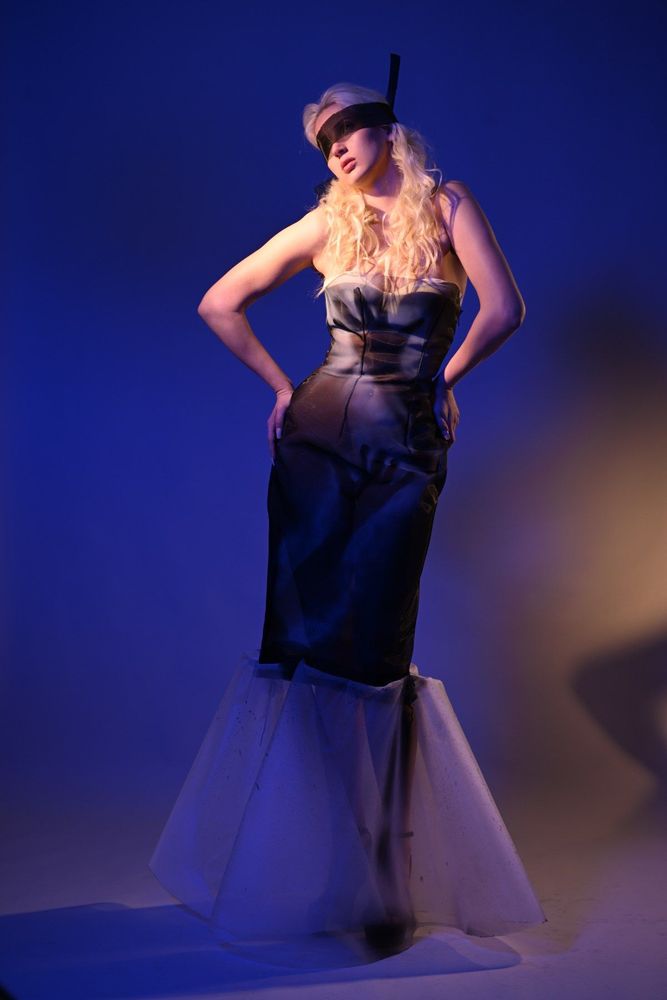
Spring/Summer 2026 micro-collection, developed independently since graduating. Welkin explores ethereal silhouettes and celestial beings in sheer, flowing layers with soft, cloud-like marks, photographed in cobalt light.

I designed and produced every piece in black and white crinoline. I then gave the finished garments to a local street artist, @_no__ego_, who added spray-paint artwork freely, as they wished.

Photographer: Kristine Di Grigoli Paige (ArtChick®)

Designer: PRATUM   Stylist: Claire Wessels (@pratumbrand)

Models: Anja Mitera (@anja.mitera); Leah Knarr (@leahknarr); Zinab Abdin (@extradoseof.za)

Hair and makeup: Nicole Castano

Spray-paint artwork: @_no__ego_

Behind-the-scenes photography: Gordon J Media (@gordon.j.media)

05 Process

Vestige I method

How the collection was developed, from sketch to finished garment. Process images only.

Design development

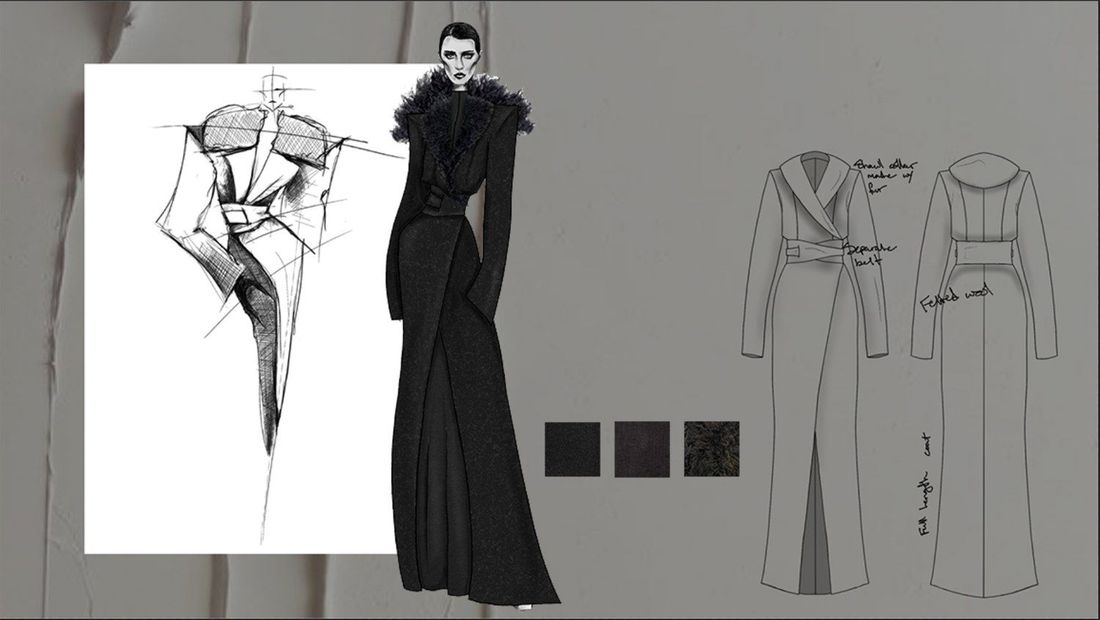
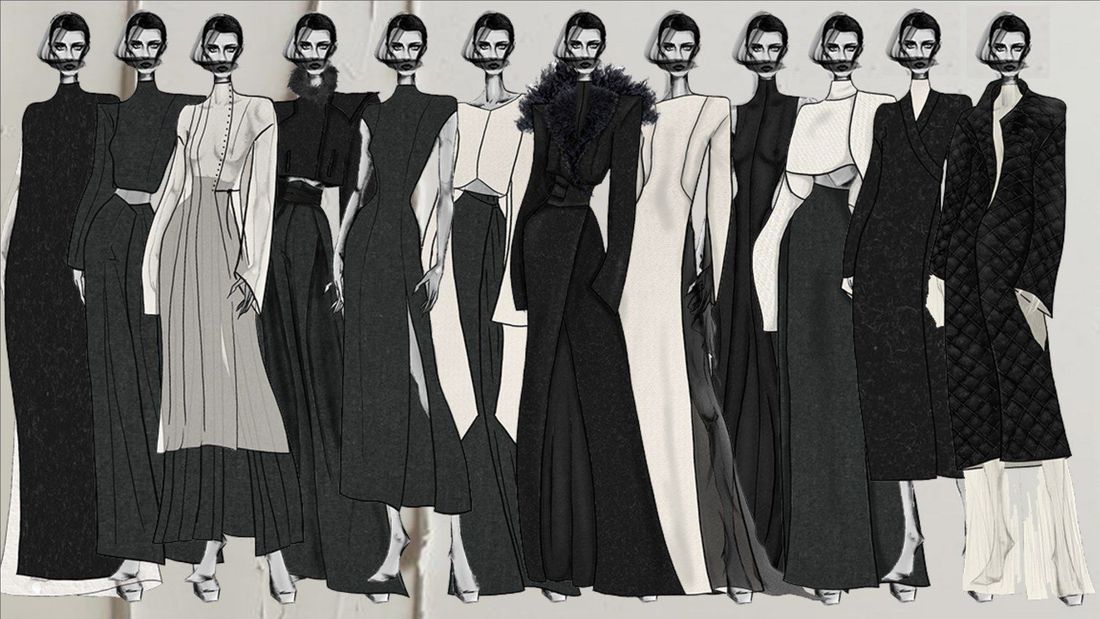
Collection and look development boards, from sketch to technical drawing.

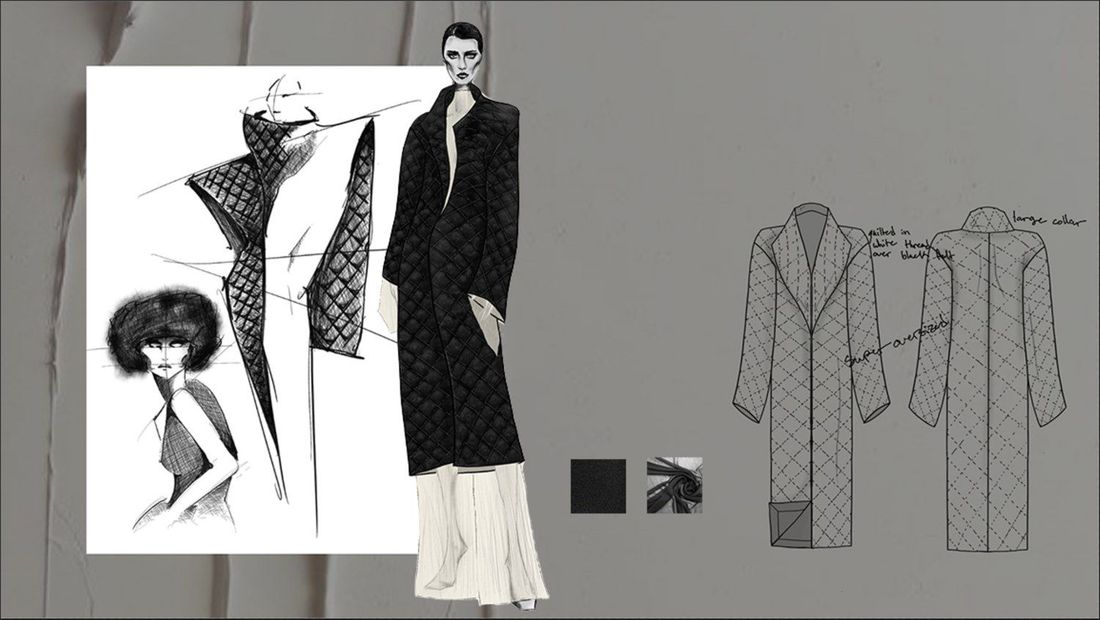
Collection line-upLook development boardLook development boardLook development board

Digital patterns

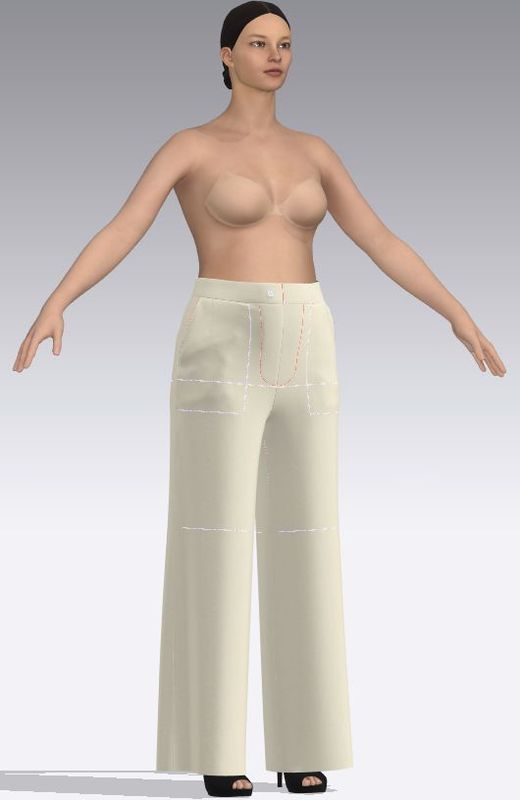
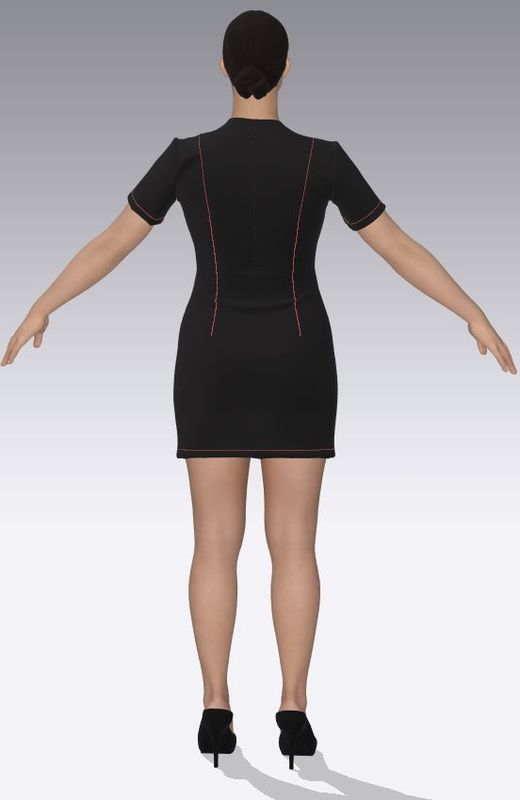
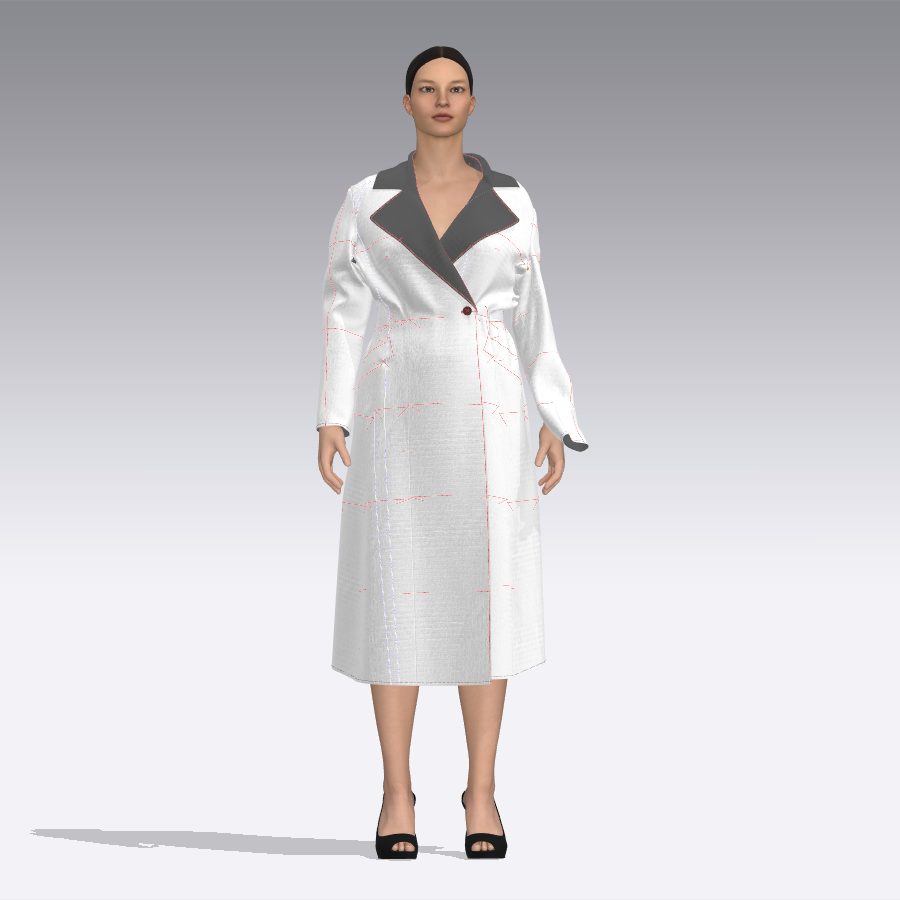
Patterns for the wide-leg trouser, fitted dress and overcoat developed and fit-tested in CLO 3D, checking silhouette, fit and seam placement on an avatar.

CLO 3D wide-leg trouserCLO 3D fitted dressCLO 3D overcoat

Machine knitting

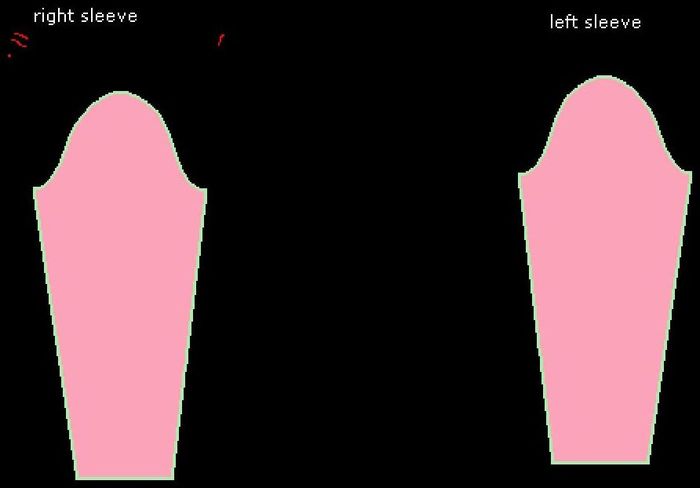
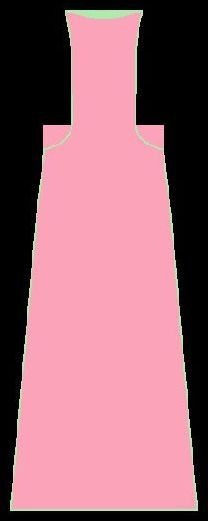
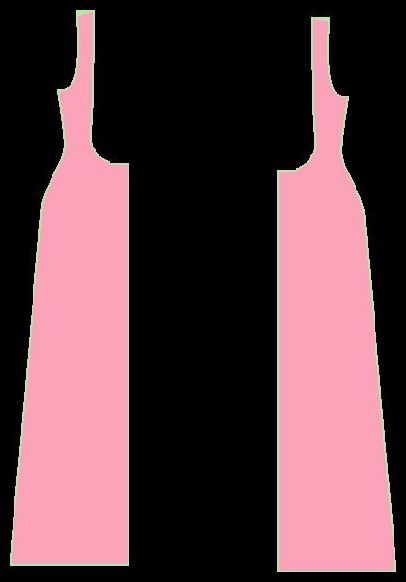
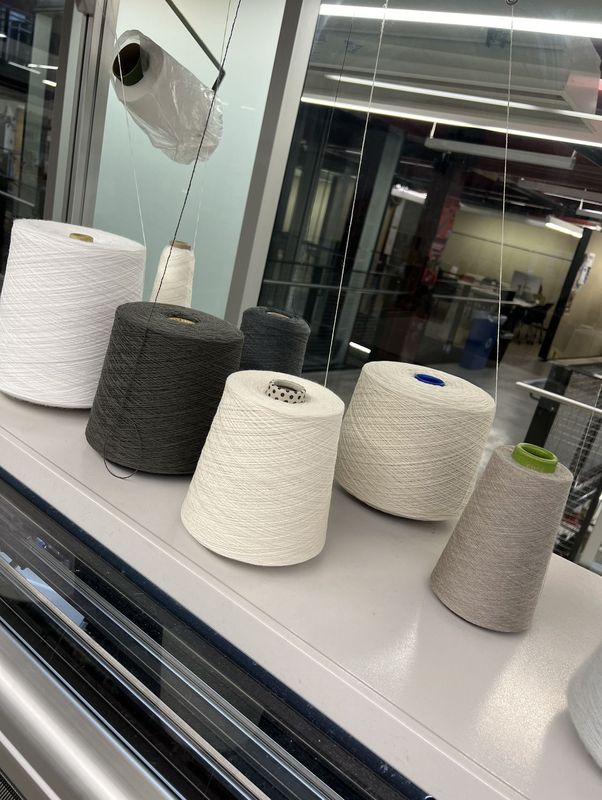
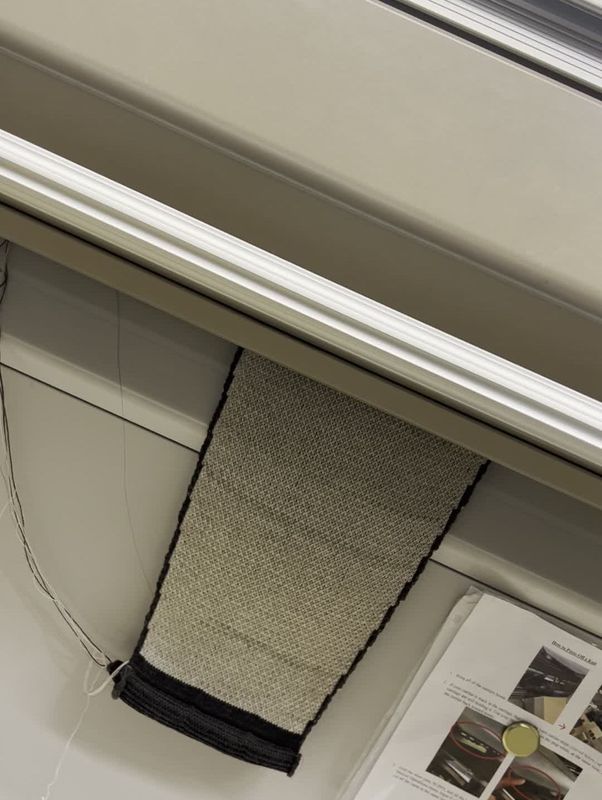
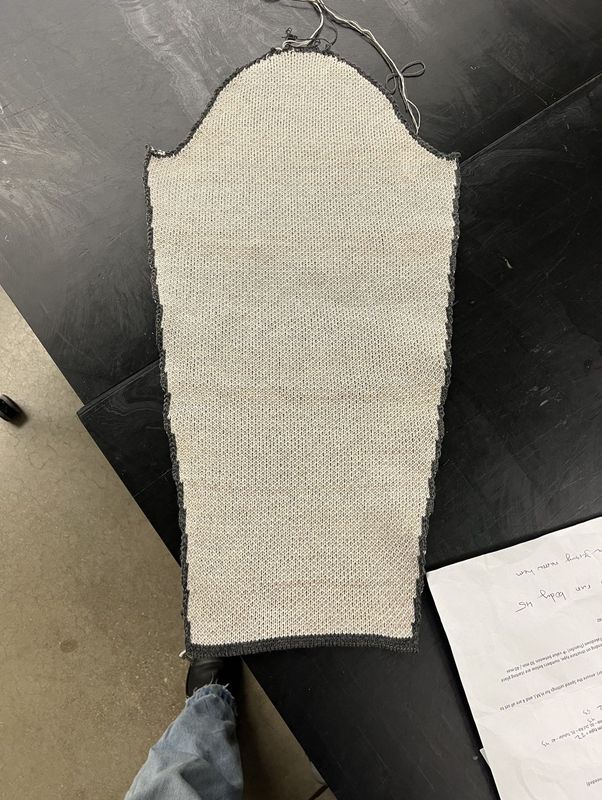
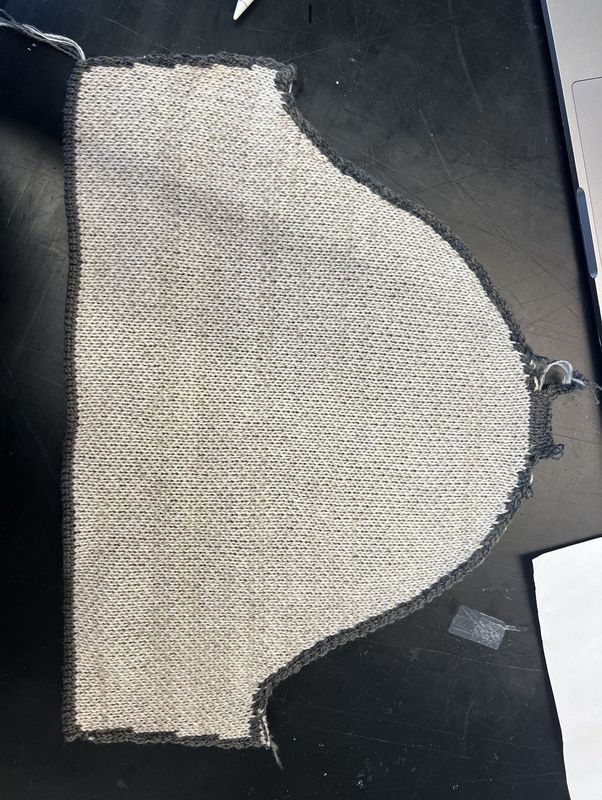
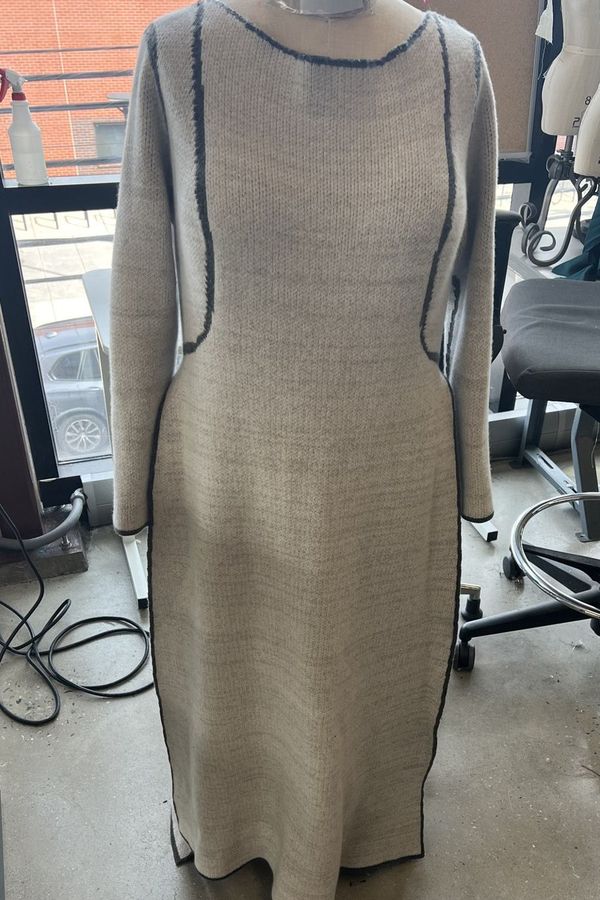
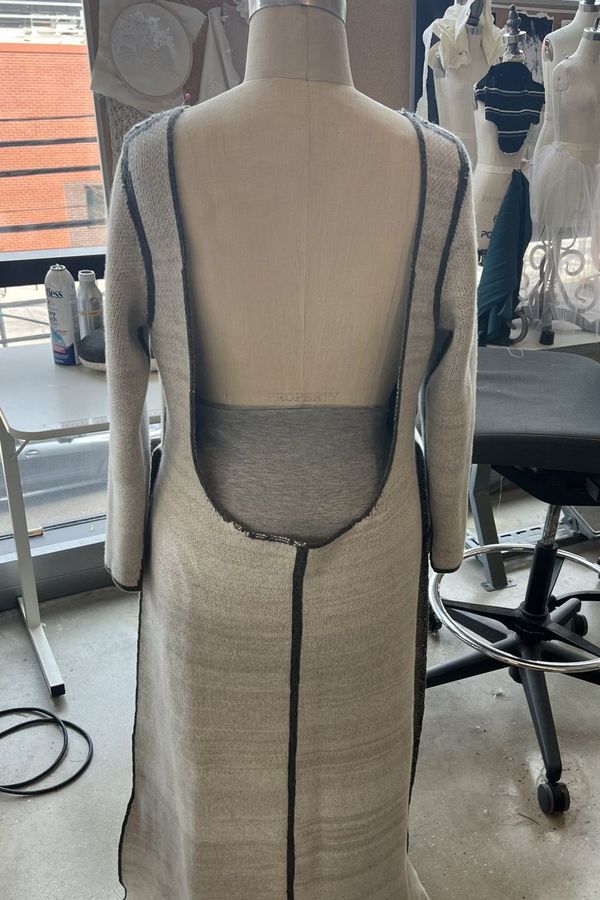
One dress was made on a Shima Seiki flat knitting machine, from knit files that define the shape of each panel (bust pieces, sleeves, dress body) before knitting.

Knit file, bust piecesKnit file, sleevesKnit file, dress bodyKnit file, dress panelsYarn cones at the machineKnit panel coming off the machineKnitted sleeve panelKnitted panelKnitted panelKnitted dress on formKnitted dress, backKnitted dress, wornKnitted dress, back, worn

Hand techniques

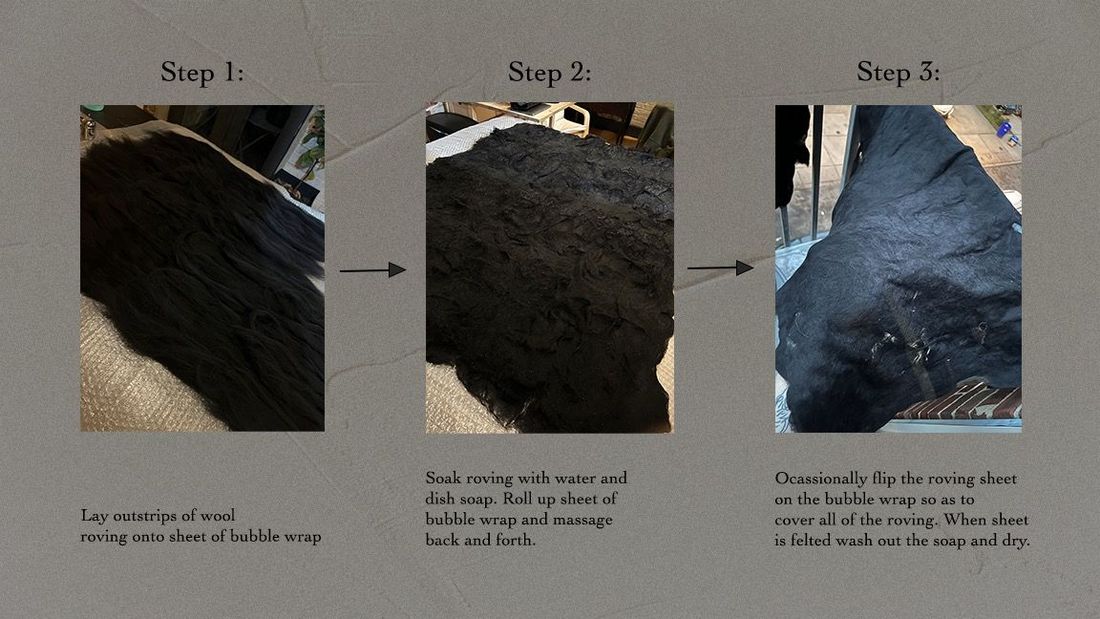
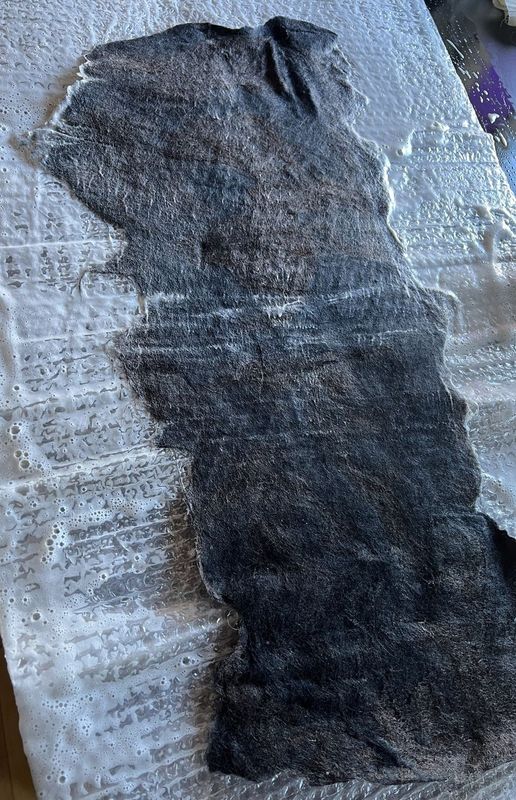
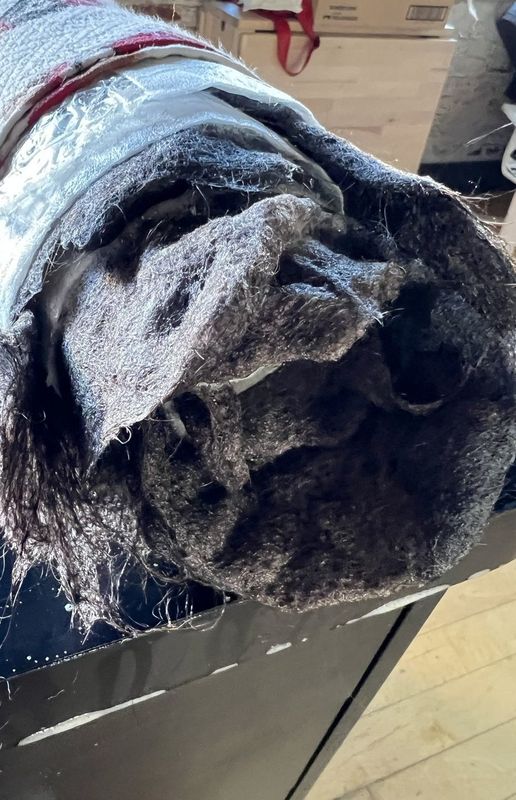
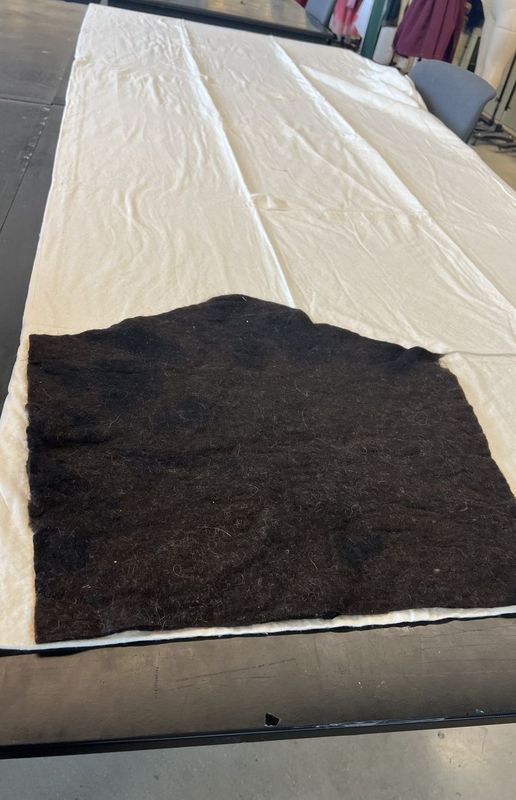
Wet felting and needle felting, hand crochet and knit yardage.

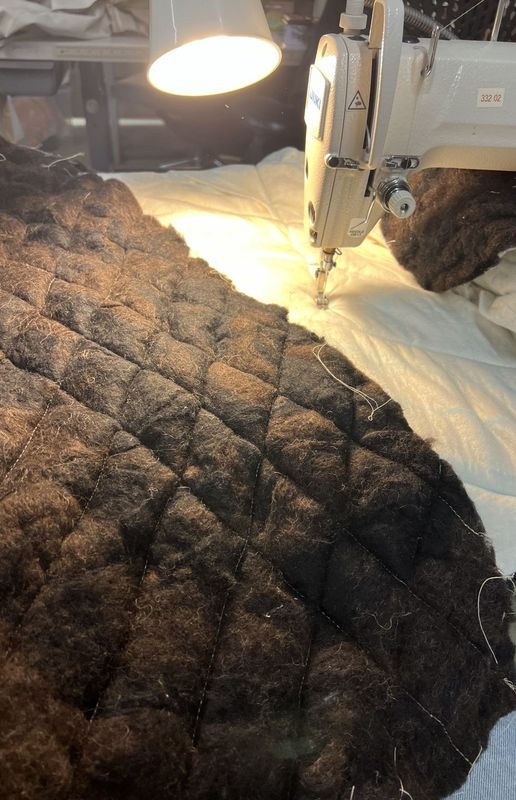
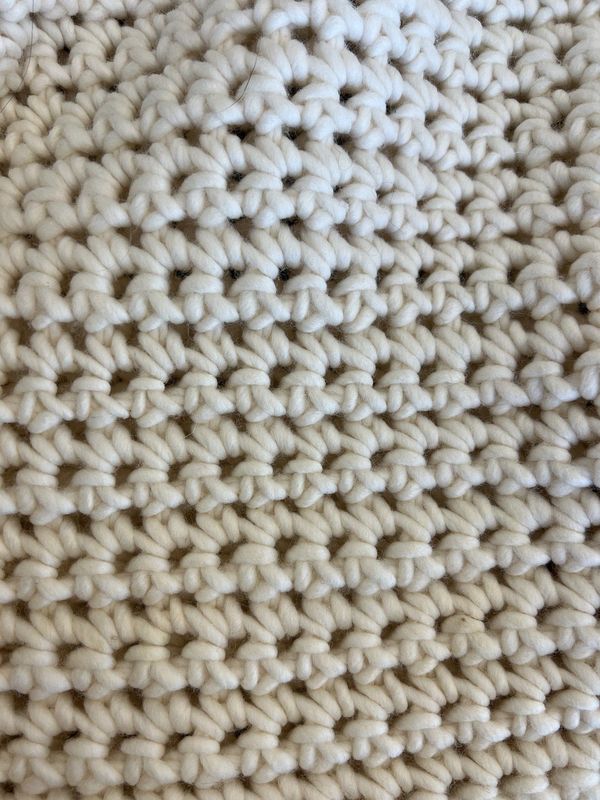
Felting process stepsWet-felted woolFelted wool, rolledWool laid out for feltingQuilted felted furHand crochet swatch

Materials

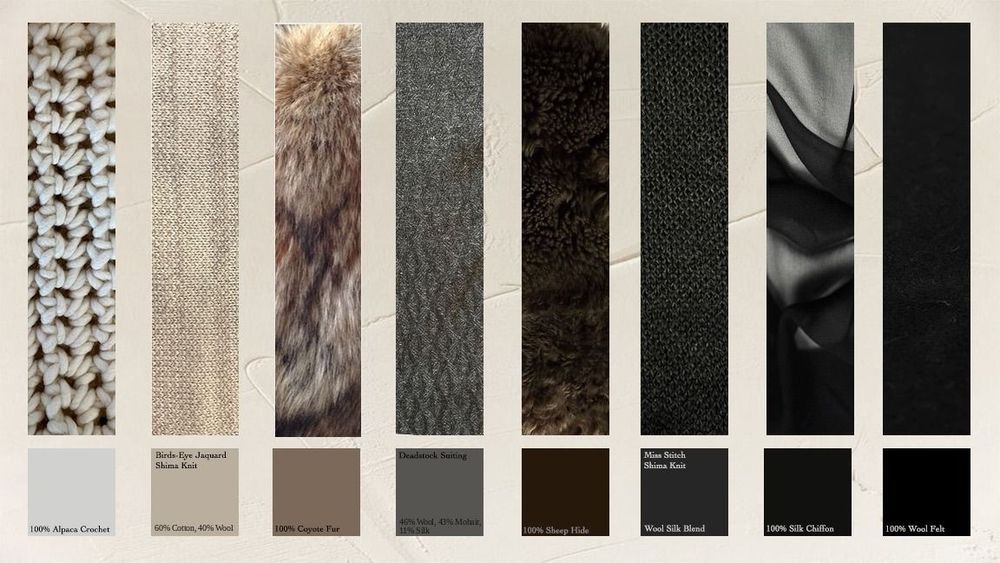
Reclaimed coyote fur from taxidermy forms, wool roving from an Argentina-based Etsy shop (OOKO.LYP) and alpaca from an Iowa farm. One look pairs undyed silk crepe with a cape of natural sheep wool, hand felted by wet and needle felting. Another pairs a black sheer silk dress with an upcycled cow hide corset. The ear cuff is hand made from silver clay and African porcupine quills.

Fabric and material board

Fabric testing

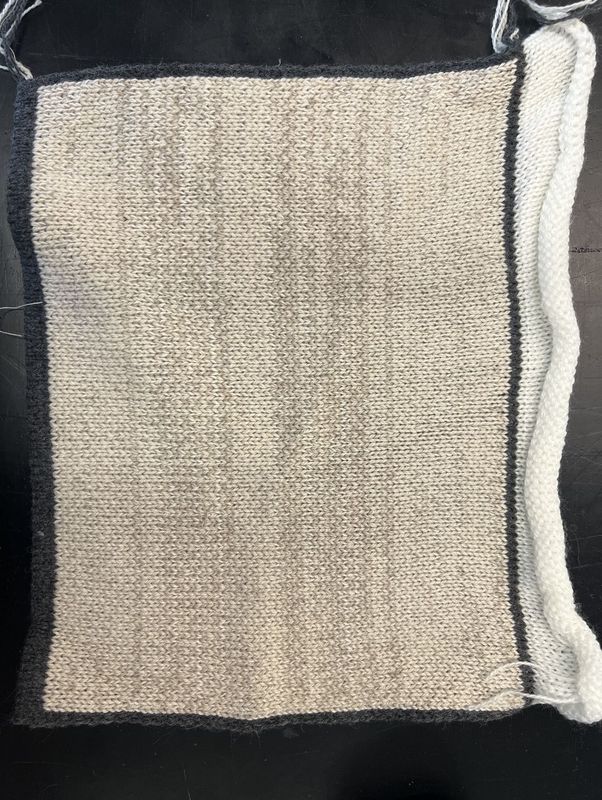
Test swatches in bird's-eye jacquard and tuck stitch, knitted and washed to measure shrinkage and judge hand feel. I adjusted the stitch between rounds and kept the result that felt best after washing.

RoundChangeVerticalHorizontal
1Initial stitch1.3 in0.25 in
2Tighter stitch0.75 in0.25 in, unchanged

Shrinkage after washing. I preferred the fabric feel of round 2.

06 Teaching

Workshop-centered teaching

Practice-led teaching built around the studio and the lab: students learn by making, iterating and experimenting, with close individual guidance.

Lab Assistant, Shima Seiki Knit LabTwo semesters Drexel University, MSc in Fashion Design
  • Led students through what I had learned in the Shima lab class, including how to set up and use the machine and all of the knit coding in KnitPaint.
  • Helped with troubleshooting and with students' overall learning.
Sewing Lab MonitorThree years Iowa State University, Apparel, Merchandising, and Design
  • Operated and maintained all of the lab's industrial machines: lockstitch, overlock, serger, buttonhole machine, button-setting machine, leather machine and multiple industrial pressing machines.
  • Provided safety oversight and supported students during open lab hours.
Teaching Assistant, AMD 1210 Apparel Assembly ProcessesFall 2019 – Fall 2021 Undergraduate position
  • Taught students to use the industrial machines and introductory sewing skills, drawing on the course content I had completed: all seam types, samples on every type of industrial machine in the lab, and projects including pajama shorts, a button-down shirt and pleated trousers with a zipper fly.
Teaching Assistant, AMD 278 Fashion IllustrationSpring 2020 Undergraduate position, the semester after taking the course
  • Helped students with figure drawing and with markers, ink and watercolor for fashion illustration, including how to illustrate different fabrics and textures.
07 Professional

Experience

Director of Operations, MTMPROJan 2025 – present Remote and international
  • Extensive exposure to the international fashion and textile industry, including global tailoring traditions, custom manufacturing practices and production systems.
  • Deepened understanding of cutting systems, fit logic and scalable tailoring workflows, and translate complex technical processes into clear guidance across international contexts.
Founder and Designer, PRATUM2020 – present Philadelphia, USA
  • Manage the full product development cycle per collection: client consultation, sketching, pattern and toile, fabric sourcing, hand construction and final fitting.
Client Supervisor, Wayne Edwards WorkshopOct 2024 – Jan 2025 Philadelphia, USA
  • Collaborated on the development of custom suiting, shirting and outerwear, bridging client needs, design decisions and production.
  • Supported fittings, material selection and construction planning.
Expert Client Advisor, Theory and Louis VuittonFeb 2023 – Oct 2024 Philadelphia, USA
  • Educated clients about luxury garments, materials, fit and construction, building in-depth understanding of quality standards, craftsmanship and garment longevity.
08

Skills

Each skill with where I have used it.

Design and construction

Pattern development, analog and digitalPatterns for Vestige I developed and fit-tested in CLO 3D; every Welkin piece designed, draped and produced by hand in crinoline.
Draping, couture construction and tailoringAdvanced training in the Drexel MSc; used daily in made-to-order work at PRATUM.
FitFit refinement on a fit form, and CLO 3D fit research across four bust sizes (75, 85, 95 and 105 cm) for the nursing bra project.
Machine knitting on Shima SeikiFlat-knit patterns programmed in KnitPaint for the Feel the Yarn look and the Vestige I dress Lizzie.
Knit pattern coding and shrinkage testingTwo rounds of wash testing on Lizzie, measuring shrinkage and adjusting the stitch so each piece shrinks to the garment size.
Wet and needle feltingHand-felted natural sheep wool cape for Vestige I.
Hand crochetHand-crocheted alpaca in Vestige I.
Metal clay (silver) jewelryQuill ear cuff made by hand from silver clay and African porcupine quills.

Digital

CLO 3DGarment and fit simulation: Vestige I patterns, nursing bra tension maps, The Quicky.
Shima Seiki KnitPaintKnit programming across multiple courses, and teaching it as a lab assistant.
Shapr 3D and 3D printing (PLA)CAD modeling and a 3D-printed cap for The Quicky.
Lectra ModarisPracticed.
Adobe Creative Suite, Office Suite, Google Workspace, JiraEveryday production, documentation and project tools.

Research and materials

Literature reviewJournal literature on breastfeeding, nursing apparel and materials, with structured article analyses.
Survey results analysis1,034 responses analysed against the principal investigator’s research questions.
Textile and material analysis, fabric sourcing37 fabrics and 50 trims, closures and non-slip products sourced and compared.
Antibacterial and antimicrobial fabric researchResearched for a nursing bra and a reusable, washable nursing pad.
Knit wash and shrinkage testingRepeated washing trials on the final knits of the graduate collection.

Teaching and workshop

Workshop instructionTaught machine set-up and knit coding in the Shima Seiki Knit Lab, and sewing, pattern cutting and construction as a teaching assistant.
Industrial machine maintenance and safetyMaintained all of the Iowa State sewing lab’s industrial machines for three years.
Project managementFull product development cycle for each PRATUM collection, from consultation to final fitting.

Languages

EnglishFluent.
09 Curriculum vitae

CV

A short version. The full three-page CV is available on request from claire@clairewessels.com.

Education

Sep 2022 – May 2024
MSc in Fashion DesignDrexel University, Westphal College of Media Arts & Design
Aug 2018 – May 2022
BSc in Apparel, Merchandising, and DesignIowa State University

Research

Jan – Nov 2021
Undergraduate Research Intern and Independent StudyNursing-garment research led by Dr. Ling Zhang, Iowa State University
Sep 2022 – May 2024
Knit programming and testingKnitPaint for Shima Seiki flat knitting machines, Drexel University

Recognition

2024
Feel the Yarn Masters, 15th editionOne of 36 international participants; outfits shown at Pitti Filati, Florence, June 2024

Teaching

Two semesters
Lab Assistant, Shima Seiki Knit LabDrexel University
Three years
Sewing Lab MonitorIowa State University
Fall 2019 – Fall 2021
Teaching Assistant, AMD 1210 Apparel Assembly ProcessesIowa State University
Spring 2020
Teaching Assistant, AMD 278 Fashion IllustrationIowa State University

Professional

Jan 2025 – present
Director of Operations, MTMPRORemote and international
2020 – present
Founder and Designer, PRATUMPhiladelphia
Oct 2024 – Jan 2025
Client Supervisor, Wayne Edwards WorkshopPhiladelphia
Feb 2023 – Oct 2024
Expert Client Advisor, Theory and Louis VuittonPhiladelphia

References

Ling Zhang, Ph.D.Associate Professor, Department of Apparel, Events & Hospitality Management, Iowa State University
lzhang1@iastate.edu
Grit SadtlerTeaching Professor, Industrial Design, Iowa State University
gsadtler@iastate.edu
Jackie KilmartinProgram Director, Graduate Fashion Design, and Associate Teaching Professor; director of the Shima Seiki Fashion Knitting Lab, Drexel University
jk942@drexel.edu